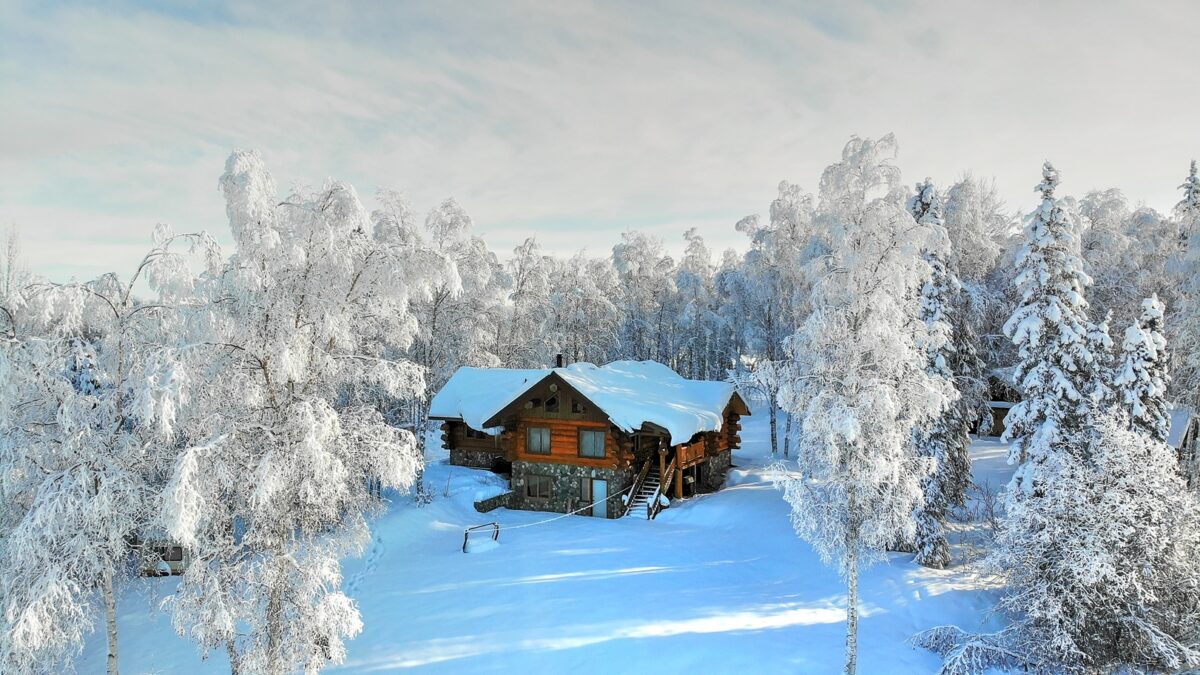
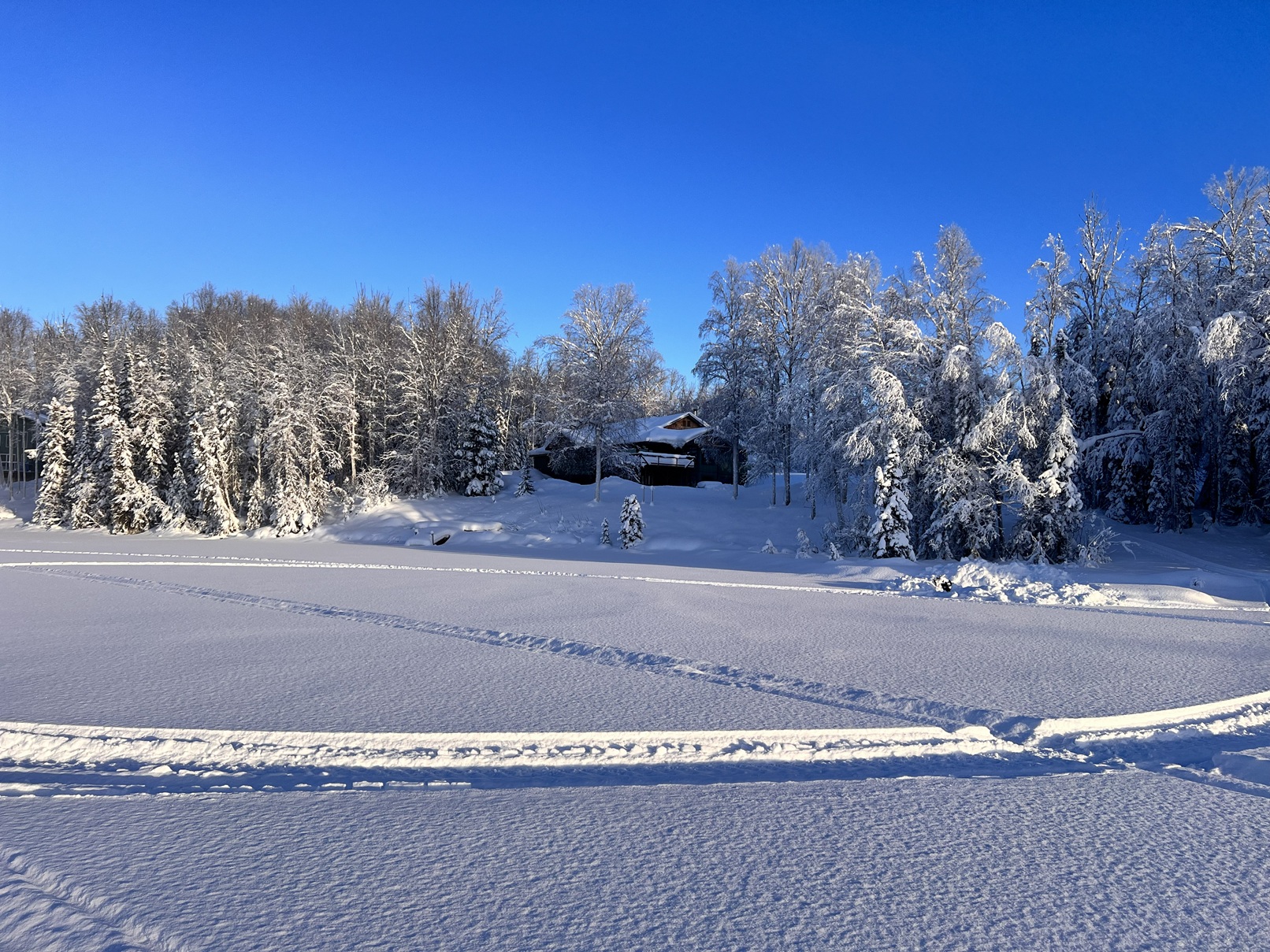
Owning remote property in Alaska means preparing for winter well before the first snowfall arrives. Seasonal conditions can dramatically change access routes, temperatures, and infrastructure demands.
Experienced remote property owners understand that preparation is essential for protecting buildings, maintaining access, and ensuring systems continue operating through Alaska’s long winter months.
With proper planning, remote cabins and land can function reliably even in challenging winter environments.
Preparing Heating Systems
Heating is one of the most critical components of remote property ownership in Alaska. Many cabins rely on wood stoves, fuel oil heaters, propane systems, or combinations of these methods.
Before winter arrives, owners often:
-
Inspect chimneys and stovepipes
-
Clean wood stove systems
-
Test heating equipment
-
Ensure adequate fuel supply
Reliable heating helps protect both the structure and interior systems during extremely cold conditions.
Stocking Fuel and Supplies
Because many remote properties have limited access during winter, owners typically plan supply trips before snow arrives.
Important items often include:
-
heating fuel
-
firewood
-
generator fuel
-
food and emergency supplies
-
maintenance tools
Planning ahead helps reduce the need for emergency trips during severe weather.
Preparing Off-Grid Power Systems
Many remote cabins rely on generators, solar power systems, or hybrid setups for electricity.
Before winter, owners often:
-
service generators
-
check battery systems
-
inspect solar panels
-
store backup fuel
Understanding how off-grid infrastructure systems operate in Alaska helps property owners maintain reliable power through winter conditions.
Protecting Water Systems
Water systems require careful winter preparation to avoid freezing damage.
Common strategies include:
-
draining seasonal plumbing
-
insulating exposed pipes
-
using heated storage tanks
-
winterizing pumps and wells
Some seasonal cabins are fully winterized and left without active plumbing during the coldest months.
Planning Winter Access
Winter often changes how remote properties are accessed.
Many areas rely on:
-
snowmachine trails
-
frozen river routes
-
winter roads
-
ski-equipped aircraft
Understanding how remote property access changes with the seasons is important when evaluating land or cabins in Alaska.
Checking Building Protection
Before winter, owners often inspect cabins and structures for potential cold-weather vulnerabilities.
Typical preparation includes:
-
sealing drafts
-
inspecting roofs
-
clearing drainage areas
-
protecting outdoor equipment
Proper preparation helps prevent damage caused by snow accumulation and freezing temperatures.
Winter Can Be One of the Best Times to Enjoy Remote Property
DCIM100GOPRO
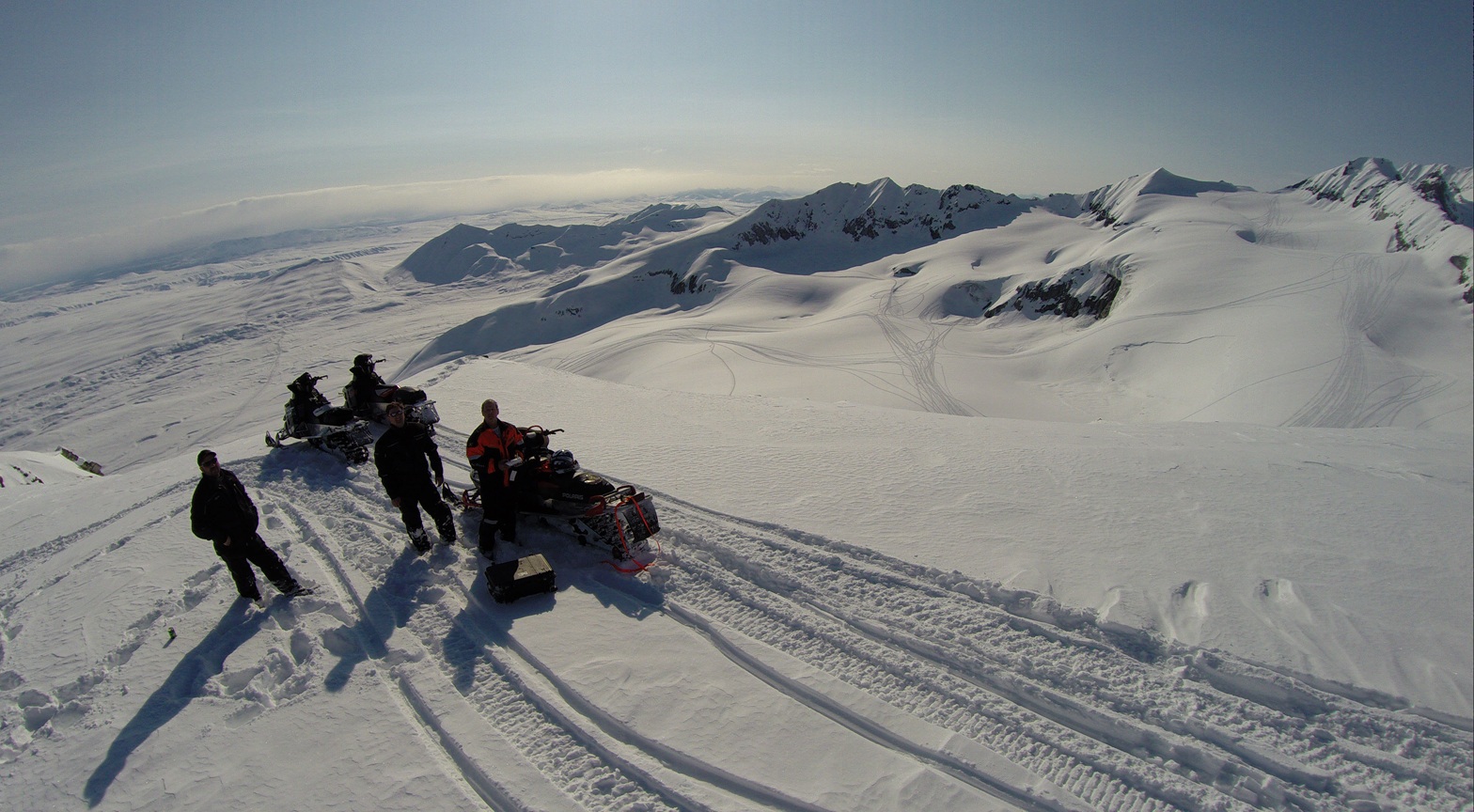
While winter requires preparation, many owners find it to be one of the most enjoyable seasons for using remote property.
Snowmachine travel, winter recreation, and quiet wilderness landscapes make winter ownership rewarding for many people.
Understanding seasonal preparation simply ensures the property remains safe and functional during the colder months.
Related Resources
Readers exploring remote Alaska property may also find these guides helpful:
More articles like this can be found in our Remote Alaska Property Insights section.
Explore Current Listings
Buyers researching remote property may want to browse current listings available across Alaska.