Selling Remote Property in Alaska: The Complete Guide to Pricing, Marketing & Buyer Exposure
Selling remote property in Alaska is different from selling a conventional home. Whether you own a wilderness cabin, off-grid homestead, riverfront parcel, fly-in property, recreational retreat, or undeveloped acreage, finding the right buyer requires specialized knowledge and a marketing strategy built around the unique characteristics of your property.
Remote Alaska real estate attracts buyers with very specific goals. Some are searching for a secluded getaway. Others want hunting and fishing access, an off-grid lifestyle, a private homestead, or a long-term investment. Reaching those buyers requires more than simply advertising a property for sale.
Successful remote property marketing combines realistic pricing, accurate property information, professional presentation, broad exposure, and an understanding of what motivates Alaska wilderness buyers.
At Remote Properties Alaska, we specialize in helping buyers and sellers navigate the opportunities and challenges of remote Alaska real estate.
This guide explains what property owners should understand before selling, how buyers discover remote properties, why MLS exposure matters, and what to expect from a comprehensive marketing strategy.
If you have questions, I have answers. Feel free to contact me.
Sheila Monson
907.841.0840
Guide Contents
1. Why Selling Remote Alaska Property Is Different
2. Why Marketing Exposure Matters When Selling Remote Alaska Property
3. MLS Exposure: What Alaska Property Sellers Should Understand
4. How Buyers Discover Remote Alaska Properties
5. What a Comprehensive Remote Property Marketing Plan Should Include
6. Seven Questions Every Remote Alaska Property Seller Should Ask Before Listing
7. Common Mistakes When Selling Remote Alaska Property
8. Preparing Your Remote Alaska Property for Sale
9. Why Work With Remote Properties Alaska?
10. Request a Remote Alaska Property Marketing Review
11. Frequently Asked Questions About Selling Remote Property in Alaska
12. Make an Informed Decision Before You Sell
More resources Below
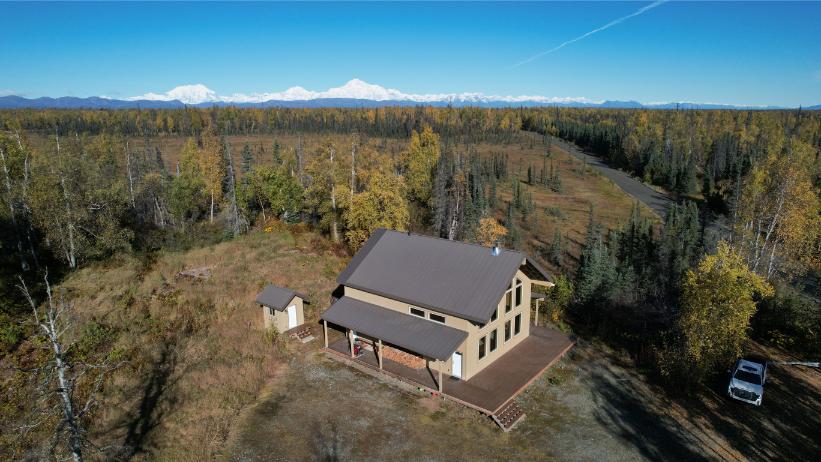
12 Biggest Mistakes to Avoid When Selling Remote Property in Alaska
Learn More
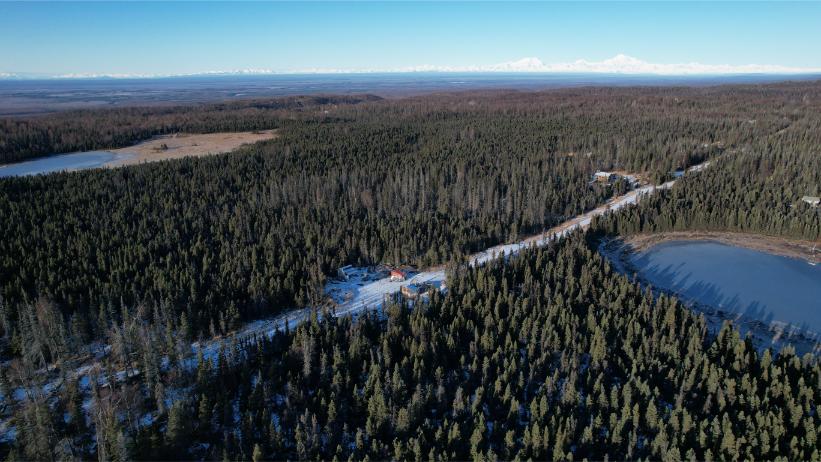
How to Price Remote Alaska Property Correctly
Learn More

What are buyers
looking for?
Learn More
Remote Alaska
property insights
Learn More
CMA (Comparative Market Analysis)
Ride along with Sheila as she visits a property in Willow, Alaska and explains how she does a property valuation.
Helicopter Ride to One of Our Listings
Ride with Kevin by helicopter to a remote property to help prepare it for showings, and get the marketing package.
Have an Extraordinary Alaska Property to Sell?
Specialized properties deserve specialized experience.
See the story behind one of the most complex and unique sales of a property we have had.
Learn More
Why Marketing Exposure Matters When Selling Remote Alaska Property
One of the most important questions a seller can ask is:
Where will potential buyers actually see my property?
A property may be beautifully photographed, accurately described, and reasonably priced, but those advantages have limited value if the right buyers never discover it.
Remote Alaska real estate attracts interest from across Alaska and throughout the United States. Some prospective buyers are already familiar with the state, while others are researching their first wilderness property purchase.
A comprehensive marketing strategy should account for multiple ways buyers search for property.
These may include:
-
Real estate brokerage websites
-
Multiple Listing Service (MLS) searches
-
Searches conducted by real estate agents
-
Major real estate search platforms
-
Google and other search engines
-
Social media communities
-
Property videos and YouTube
-
Direct inquiries, referrals, and existing buyer relationships
No single marketing channel reaches every potential buyer.
The objective is to create multiple opportunities for qualified buyers to discover the property.
The Limitations of Advertising on a Single Website
A brokerage website can be an excellent marketing tool, particularly when it specializes in a particular type of real estate.
However, relying exclusively on one website can limit the ways buyers and their agents discover a listing.
A buyer who already knows that website may find the property easily. Someone searching through an agent, an MLS-connected platform, or another real estate website may not encounter the same listing.
That does not mean every property needs to appear on every website. It means sellers should understand their marketing options and the distribution strategy being used.
Before choosing representation, ask where the property will be advertised, how buyers will find it, and how the marketing plan will reach people outside the brokerage's existing audience.
Why Selling Remote Alaska Property Is Different
Remote Alaska properties rarely fit the conventional real estate model.
A cabin located miles from the nearest maintained road presents different marketing challenges than a home in Anchorage, Wasilla, or Palmer. Even two remote properties with similar acreage and improvements can have dramatically different values because of their access, location, terrain, and surrounding recreational opportunities.
Several factors make remote property sales especially challenging.
Property Access Can Determine Buyer Demand
Access is often one of the most important considerations for a remote Alaska buyer.
Properties may be accessible by:
-
Maintained public roads or private roads
-
Snowmachine trails and winter routes
-
Rivers, lakes, and navigable waterways
-
Floatplanes or wheel-equipped aircraft
-
ATV trails or seasonal overland routes
-
A combination of transportation methods
A property advertised as accessible year-round may still require specialized equipment, seasonal planning, or significant travel expenses.
Buyers need to understand not only how they can reach the property, but also whether access is legal, practical, and sustainable for their intended use.
Accurately describing access is essential to attracting qualified buyers and avoiding misunderstandings during a transaction.
For a deeper explanation, see our How Access Works for Remote Alaska Property guide.
Off-Grid Improvements Require Specialized Marketing
Remote cabins and homesteads often include improvements that conventional residential buyers may not fully understand.
Solar systems, generators, wood heating, water collection, wells, septic systems, outhouses, fuel storage, and alternative construction methods can all influence marketability.
An experienced remote-property marketing strategy should explain these features accurately rather than simply listing them as amenities.
For example, a well-designed solar system may be valuable to an off-grid buyer, but its usefulness depends on battery capacity, seasonal sunlight, system condition, and electrical demand.
The more clearly buyers understand a property's capabilities and limitations, the better they can evaluate whether it meets their needs.
Remote Property Buyers Are a Specialized Audience
Not every Alaska real estate buyer is interested in remote property.
Some buyers want immediate road access and conventional financing. Others actively seek properties that require a boat, airplane, snowmachine, or extended travel.
An effective marketing strategy must reach people who appreciate the property's particular characteristics.
A remote riverfront cabin may appeal to an entirely different audience than a large tract of undeveloped wilderness acreage.
Understanding these differences is a fundamental part of marketing remote Alaska real estate.
Pricing Remote Property in Alaska
Pricing remote property can be challenging because comparable sales are often limited.
Unlike residential neighborhoods with numerous similar homes, remote Alaska properties may have few directly comparable transactions.
A property's value can be influenced by much more than acreage or the size of a cabin.
Factors That Influence Remote Property Value
Important considerations include:
-
Location and proximity to population centers
-
Legal and practical access
-
River, lake, or other waterfront frontage
-
Terrain, usable acreage, and vegetation
-
Existing cabins and other improvements
-
Electricity, water, septic, and off-grid systems
-
Hunting, fishing, and recreational opportunities
-
Airstrip access or aviation potential
-
Seasonal limitations
-
Property condition and maintenance requirements
-
Current market conditions and buyer demand
- Is it unique, and is there a business involved in the sale?
A smaller property with reliable access and desirable improvements may command more interest than a larger parcel that is difficult or expensive to reach.
Similarly, a beautiful cabin may struggle to attract buyers if its asking price does not reflect access limitations, maintenance requirements, or comparable market activity.
Why Overpricing Can Hurt a Remote Property Sale
Overpricing is especially problematic in a specialized market.
Remote property buyers often spend considerable time researching locations, access, comparable offerings, and ownership costs before contacting a seller.
An asking price that is significantly above what the market supports can discourage serious inquiries.
Over time, a property may accumulate exposure without generating meaningful buyer interest.
Price reductions can sometimes help, but they do not replace an informed pricing strategy from the beginning.
The goal is not simply to establish the highest possible asking price. It is to identify a price that reflects the property's characteristics while attracting qualified buyers.
For a more detailed discussion, explore our guide to Pricing Remote Property in Alaska.
MLS Exposure: What Alaska Property Sellers Should Understand
The Multiple Listing Service, commonly called the MLS, is an important component of real estate marketing.
An MLS is a professional listing database used by participating real estate professionals to share property information and facilitate transactions.
Depending on the property, MLS rules, and distribution arrangements, entering a listing into an appropriate MLS can provide several advantages.
Exposure to Participating Real Estate Professionals
When a property is entered into an MLS, participating real estate professionals can discover it through their listing searches.
This can be particularly valuable when an agent is assisting a buyer who wants recreational land, a remote cabin, or an off-grid property.
Instead of relying entirely on a buyer finding the listing independently, MLS exposure creates additional opportunities for agents to identify suitable properties for their clients.
Potential Exposure Through Other Real Estate Websites
MLS listings may also be distributed to participating brokerage websites and major real estate search platforms.
The exact distribution depends on the MLS, the brokerage's settings, the property type, and the rules of each receiving platform.
Not every listing appears on every website, and syndication should never be assumed.
Nevertheless, MLS participation can provide distribution opportunities beyond an individual brokerage website.
MLS Exposure Is Not a Guarantee of a Sale
MLS participation does not automatically produce qualified buyers, offers, or successful transactions.
Remote Alaska properties still require accurate pricing, detailed descriptions, effective photography, realistic access information, and an understanding of the target market.
A remote property that is significantly overpriced or poorly presented may receive limited interest regardless of its exposure.
MLS distribution works best as part of a broader marketing strategy, not as a substitute for one.
Do All Remote Alaska Properties Belong in the MLS?
Property eligibility and listing requirements depend on the applicable MLS and the circumstances of the listing.
Some remote properties present unusual characteristics, documentation issues, or access conditions that require special consideration.
An experienced real estate professional should evaluate the available marketing options and explain them to the seller.
The important point is that property owners deserve to understand those options before making a decision.
How Buyers Discover Remote Alaska Properties
Today's remote property buyer may begin searching months or even years before making a purchase.
A buyer interested in a fly-in cabin might research airstrip properties, aircraft access, fuel logistics, and remote cabin ownership.
Another buyer may search for riverfront land, moose hunting property, or an affordable off-grid retreat.
A strong marketing strategy recognizes these different buyer journeys.
Google Search and Specialized Real Estate Websites
Search engines are an important starting point for many buyers.
People searching for remote Alaska property may use highly specific phrases describing the location, property type, access method, or intended recreational use.
A specialized website can help connect those searches with relevant property listings and educational resources.
Remote Properties Alaska is built around this specialized market, combining current property opportunities with practical information about buying and owning remote Alaska real estate.
Social Media and Remote Property Communities
Social media can help introduce properties to people who already have an interest in Alaska wilderness living, recreation, and off-grid ownership.
Specialized communities can also encourage discussion, sharing, and referrals.
However, social media should complement—not replace—a complete property marketing plan.
Property Videos and Aerial Photography
Remote properties can be difficult to understand through ordinary listing photographs alone.
Aerial footage can help buyers visualize the surrounding terrain, waterways, vegetation, improvements, and relationship between the property and its surroundings.
Video tours may help explain access, cabin layouts, nearby recreational opportunities, and other features that make the property distinctive.
Professional visual presentation is particularly useful when prospective buyers live outside Alaska and cannot easily visit the property.
Buyer Referrals and Professional Relationships
Not every buyer begins with an internet search.
Some buyers work directly with real estate professionals, while others learn about opportunities through referrals and personal relationships.
A coordinated marketing strategy should consider these additional avenues for reaching qualified buyers.
What a Comprehensive Remote Property Marketing Plan Should Include
Before signing a listing agreement, property owners should understand what their brokerage intends to do to market the property.
Although every property is different, a well-developed plan should address several essential areas.
Accurate Property Information
Buyers need reliable information about acreage, boundaries, access, improvements, utilities, property condition, and known limitations.
Descriptions should distinguish verified facts from estimates or information requiring further investigation.
Professional Photography and Visual Presentation
Clear photographs should communicate the property's setting, improvements, terrain, and distinctive features.
Aerial photography and video may be appropriate when they provide meaningful additional information.
A Realistic Pricing Strategy
Pricing should reflect available market evidence, the property's individual characteristics, and the likely buyer pool.
Sellers should understand the reasoning behind the recommended asking price.
Multiple Marketing Channels
The marketing plan should explain how the property will be presented through appropriate channels, potentially including MLS exposure, specialized real estate websites, online property searches, social media, video, and direct buyer outreach.
Ongoing Seller Communication
Property owners should know how inquiries, showings, buyer feedback, marketing activity, and pricing recommendations will be communicated.
A listing agreement should not leave the seller wondering what happens after the property goes online.
Accurate Listing Status and Updates
Current pricing, property availability, and material listing information should be kept accurate across the channels controlled by the brokerage.
If a property sells, becomes unavailable, or is no longer represented, its marketing status should be updated appropriately.
Seven Questions Every Remote Alaska Property Seller Should Ask Before Listing
Choosing the right brokerage is one of the most important decisions a property owner makes.
Before signing an agreement, consider asking these questions.
1. Will My Property Be Listed in an MLS?
Ask whether the property is eligible, which MLS would be used, and what exposure may result.
If MLS marketing is not part of the plan, ask why and what alternatives will be used.
2. Where Else Will My Property Be Advertised?
Request a clear explanation of the websites, marketing channels, and buyer audiences the brokerage intends to reach.
3. How Was the Recommended Asking Price Determined?
Ask what comparable sales, current listings, property characteristics, and market conditions support the proposed price.
4. What Experience Do You Have With Remote Alaska Property?
Remote property transactions can involve unusual access, financing, utilities, documentation, and logistical challenges.
Experience with these issues can be valuable throughout the transaction.
5. What Photography and Video Will Be Used?
Ask how the property will be presented and whether aerial footage, property videos, or specialized photography would improve the listing.
6. How Will I Know Whether the Marketing Is Working?
Discuss how inquiries, buyer feedback, marketing activity, and recommended adjustments will be reported.
7. What Happens If My Property Does Not Sell?
Understand the listing term, cancellation provisions, pricing review process, and options available if the original marketing strategy does not produce the desired results.
A seller should feel informed and confident about the marketing plan before committing to representation.
Common Mistakes When Selling Remote Alaska Property
Many remote property sales encounter challenges that could have been addressed before the property entered the market.
Common mistakes include:
-
Establishing an asking price without adequate market analysis
-
Overlooking the importance of legal and practical access
-
Providing incomplete information about utilities and improvements
-
Relying on poor-quality photographs
-
Failing to identify the property's most likely buyers
-
Using too few marketing channels
-
Assuming that more advertising will overcome unrealistic pricing
-
Failing to review buyer feedback and market conditions
Avoiding these mistakes begins with preparation and an understanding of the unique remote Alaska real estate market.
Read our guide to the Biggest Mistakes Remote Alaska Sellers Make for additional insight.
Preparing Your Remote Alaska Property for Sale
A well-prepared property can be easier for prospective buyers to evaluate.
Before listing, consider gathering the following information:
-
Legal description and available survey documents
-
Recorded access easements and other relevant documents
-
Property tax information
-
Cabin dimensions and improvement details
-
Utility and off-grid system information
-
Water and septic documentation, if applicable
-
Known maintenance issues and property conditions
-
Seasonal access information
-
Available photographs showing different seasons
-
Relevant permits, agreements, and supporting records
Not every item applies to every property.
The objective is to provide buyers with useful, accurate information while reducing avoidable uncertainty.
Why Work With Remote Properties Alaska?
Remote Properties Alaska focuses on a segment of the real estate market that requires specialized knowledge.
Remote cabins, wilderness acreage, recreational land, off-grid homesteads, and properties with unconventional access present challenges that are not always encountered in traditional residential transactions.
Sheila Monson brings extensive Alaska real estate experience and an understanding of the practical considerations involved in buying and selling remote property.
Our approach emphasizes:
-
Specialized remote Alaska property knowledge
-
Thoughtful pricing and property evaluation
-
Accurate descriptions of access and improvements
-
Professional property presentation
-
Appropriate MLS and brokerage marketing opportunities
-
Search visibility and specialized online exposure
-
Clear communication throughout the selling process
Every property is different, and every marketing plan should reflect its particular characteristics and intended buyer audience.
Our goal is to help sellers make informed decisions and position their property effectively in the marketplace.
Request a Remote Alaska Property Marketing Review
Thinking about selling your remote Alaska land, cabin, or off-grid property?
Before committing to a listing strategy, find out how your property could be priced, presented, and marketed to prospective buyers.
A Remote Alaska Property Marketing Review can help you better understand:
-
Your property's distinctive selling features
-
Access and improvement considerations
-
Relevant market conditions and pricing factors
-
Available marketing and MLS exposure options
-
Opportunities to improve buyer presentation
-
The next steps toward a successful listing strategy
Whether you are ready to sell or simply exploring your options, Sheila Monson can help you evaluate the possibilities.
Contact Remote Properties Alaska to request your property marketing review.
Frequently Asked Questions About Selling Remote Property in Alaska
Is it difficult to sell remote property in Alaska?
Remote property can take longer to market than conventional real estate because the buyer pool is more specialized and access, financing, and property characteristics may present additional challenges. Realistic pricing, accurate information, and appropriate marketing can help reach suitable buyers.
Should I list my remote Alaska property in the MLS?
MLS exposure can be valuable because it allows participating real estate professionals to discover eligible listings and may provide additional distribution through connected websites. The appropriate strategy depends on the property, applicable MLS rules, and the seller's circumstances.
Can I sell remote Alaska land without a real estate agent?
Property owners can generally sell their own real estate, subject to applicable laws and transaction requirements. However, remote property sales can involve complex access, title, documentation, marketing, and negotiation issues. Sellers should evaluate whether professional representation would benefit their particular situation.
How do I determine the value of my remote Alaska property?
Remote property valuation considers location, access, acreage, terrain, improvements, waterfront features, available comparable sales, and current buyer demand. Because comparable properties may be limited, specialized market knowledge can be particularly useful.
Does a remote cabin need electricity, running water, or septic to sell?
No. Many buyers actively seek dry cabins and off-grid properties. However, the availability, condition, and limitations of utilities and improvements can affect pricing, financing, buyer interest, and intended use.
How long does it take to sell remote property in Alaska?
There is no universal timeline. Market conditions, location, pricing, access, property condition, and buyer demand all influence marketing time. Sellers should be cautious about relying on average days-on-market figures from conventional residential markets.
Is professional photography important for remote Alaska property?
Yes. Clear photography helps buyers understand the property's setting and improvements. Aerial photographs and videos can be especially useful for showing acreage, waterfront, access routes, and surrounding terrain.
What is the best time of year to sell remote Alaska property?
The best timing depends on the property's access and characteristics. Summer may provide easier access and more complete ground photography, while winter can demonstrate snowmachine access or seasonal recreational opportunities. A marketing plan should account for these differences.
Can I sell a remote property if access is seasonal?
Yes. Seasonal-access properties can be marketable, but buyers need clear information about how and when they can reach the property. Legal access rights and practical transportation options should be investigated and accurately described.
What should I do if my remote Alaska property has been listed but has not sold?
Start by reviewing the asking price, marketing exposure, photographs, property information, buyer feedback, and market conditions. Also review your existing listing agreement and discuss available options with your current brokerage before considering a change in representation.
Make an Informed Decision Before You Sell
Selling remote Alaska property requires a different approach from selling conventional real estate.
The right combination of specialized knowledge, accurate pricing, professional presentation, buyer exposure, and ongoing communication can make a meaningful difference in how a property is marketed.
Your property deserves a marketing strategy designed around what makes it unique—not simply a place on a website.
Is Your Remote Alaska Property Getting the Exposure It Deserves?
Understanding how buyers discover remote property is the first step toward choosing an effective marketing strategy. Find out what options may be available for your property.
Thinking About Selling Your Remote Alaska Property?
Talk with Sheila Monson about your property's value, marketing opportunities, and the steps involved in bringing it to market.