Water Systems for Remote Alaska Properties
Everything You Need to Know About Finding, Storing, and Protecting Water in Alaska's Wilderness
One of the first questions every remote property owner asks is surprisingly simple:
"Where will my water come from?"
Unlike a home connected to a municipal water system, remote Alaska properties require owners to think differently about one of life's most basic necessities. Depending on the location of your property, your water may come from a drilled well, a nearby lake or creek, seasonal rain collection, or even be hauled in by truck or trailer.
There is no single solution that works for every property. The right system depends on your location, climate, accessibility, intended use, and budget.
Whether you're building an off-grid cabin, purchasing recreational land, or planning to live remotely year-round, understanding your water options before investing in equipment can save thousands of dollars while providing years of dependable service.
This guide walks through the most common water systems used across remote Alaska and explains the advantages, disadvantages, and considerations of each approach.
WHAT YOU'LL LEARN
✔ Choosing the best water source
✔ Wells vs surface water
✔ Water hauling
✔ Rain collection
✔ Pumps
✔ Water storage
✔ Water filtration
✔ Winter protection
✔ Seasonal maintenance
✔ Planning for long-term reliability
Understanding Your Water Needs
Before choosing a water system, it's important to understand how you plan to use your property.
A weekend hunting cabin used a few times each fall has very different water requirements than a year-round off-grid home. Likewise, a property accessible by road presents different opportunities than one reached only by boat, snowmachine, or aircraft.
Ask yourself a few practical questions before investing in any water system:
- Will the property be used seasonally or year-round?
- How many people will typically stay at the property?
- Will you have running water or simply haul water for drinking and cooking?
- Is electricity available, or will pumps rely on solar or generator power?
- How difficult is it to access the property during each season?
- Are nearby water sources dependable throughout the year?
Taking time to answer these questions first will help narrow the choices and prevent costly upgrades later.
🏔 Remote Properties Alaska Field Note
Many first-time buyers assume installing a well is the obvious answer. In reality, plenty of remote Alaska cabins operate successfully without one. Depending on access, terrain, and seasonal use, hauling water or using a nearby lake with proper filtration may be more practical and far less expensive. The best water system is the one that matches how you actually use the property—not necessarily the most elaborate one.
Choosing the Right Water Source
Nearly every remote Alaska property falls into one of five primary water categories.
Each has strengths and limitations.
Understanding those differences is one of the most important ownership decisions you'll make.
Drilled Wells
A drilled well offers the convenience of a dependable water supply without relying on nearby surface water. For year-round homes with good groundwater conditions and road access, it is often the most convenient long-term solution. Keep in mind you want a substantial mount of distance between your well and your septic system. Usually 100 feet is the standard.
Advantages
- Reliable year-round water supply
- Minimal daily effort once installed
- Clean water with proper construction
- Excellent for full-time residences
Challenges
- High installation cost
- Requires suitable geology
- May require generators or solar-powered pumps
- Repairs can be expensive in remote locations
Lakes, Rivers & Creeks
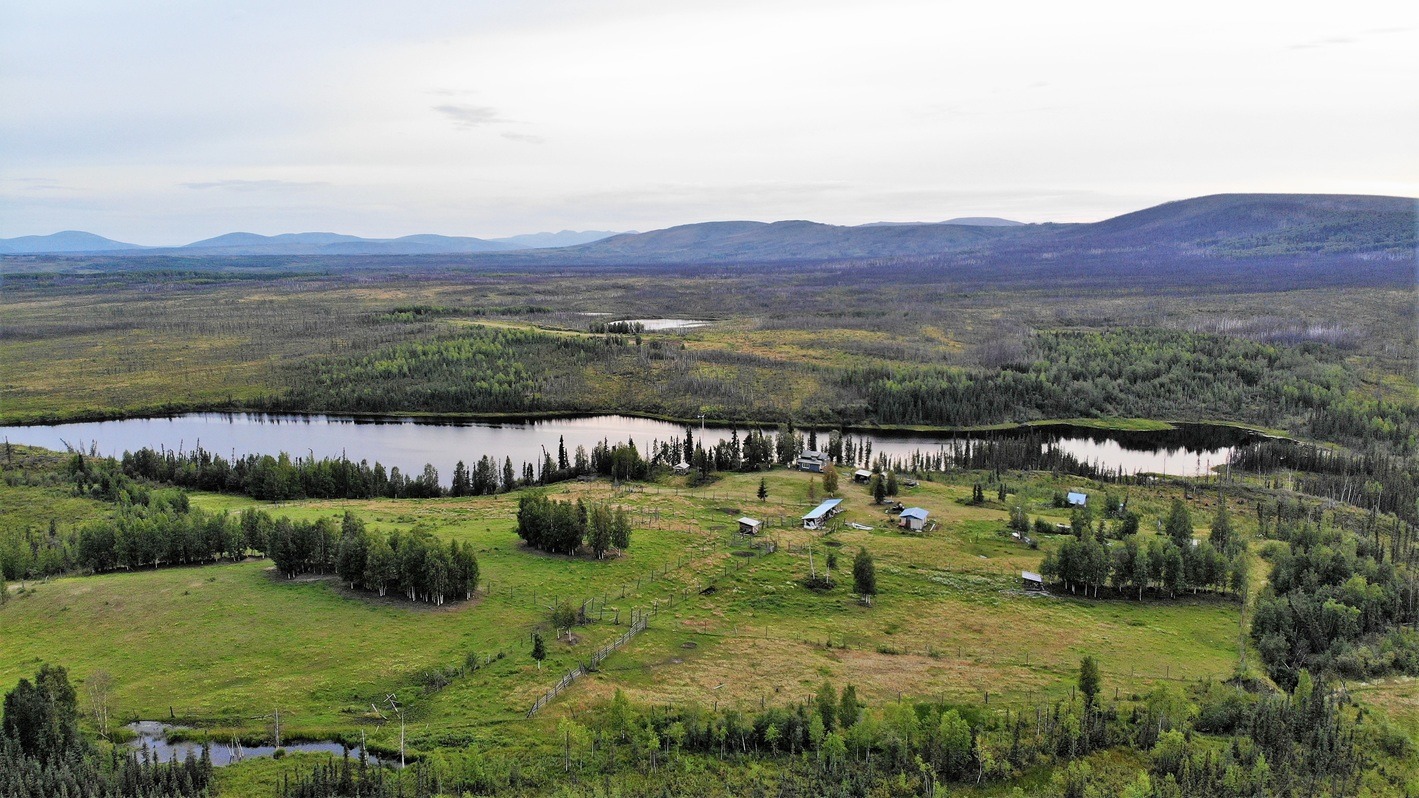
Many remote Alaska properties are located near natural water sources. These provide abundant water but require thoughtful planning to ensure safety and reliability.
Surface water should always be filtered or treated before drinking.
Water quality changes throughout the seasons, especially during spring runoff and periods of heavy rain.
Advantages
- Usually abundant
- Low installation cost
- Ideal for recreational cabins
- Excellent emergency backup
Challenges
- Requires filtration
- Seasonal water quality changes
- Winter access considerations
- Pump maintenance
Rainwater Collection
Rainwater systems continue to improve and can supplement other water sources during the warmer months.
While they generally aren't sufficient as the sole water source for year-round living, they reduce hauling and provide excellent water for washing and non-potable uses.
Water Hauling
Many remote cabin owners simply haul water.
For seasonal cabins this remains one of the simplest, most economical, and dependable approaches.
Food-grade tanks, secure storage, and careful planning make hauled water surprisingly practical.
🏔 Remote Properties Alaska Field Note
Simple systems often outperform complicated ones.
We've visited beautiful remote cabins where owners intentionally avoided elaborate plumbing because fewer components meant fewer things to freeze, leak, or fail when they were hundreds of miles from the nearest hardware store.
Pumps & Pressure Systems
Hand pumps, 12-volt pumps, solar-powered pumps, pressure tanks, backup pumps, and maintenance.
Water Storage
- Poly tanks
- Cisterns
- Indoor storage
- Outdoor storage
- UV exposure
- Algae prevention
- Food-grade containers
- Freeze protection
Water Filtration
- Sediment filters
- Carbon filters
- UV purification
- Reverse osmosis
- Portable filters
- Boiling water
- Emergency purification
Winterizing Your Water System
- Draining lines
- Pump removal
- Frozen pipes
- Heat tape
- Insulation
- Seasonal shutdown procedures
Planning for the Future
A well-designed water system evolves as your needs change. Many remote property owners begin with simple solutions such as hauled water or portable pumps, then expand over time as they spend more time at their property. There's no single "perfect" system—only the one that fits your land, your budget, and the way you plan to enjoy Alaska.
When making decisions, think about reliability, ease of maintenance, and how you'll repair the system if something goes wrong in a remote location. Simplicity often proves to be one of the greatest strengths of an off-grid property.