Generator Power for Remote Alaska Property
Generator power is one of the most common and reliable energy sources for remote property in Alaska. While solar power is often used during the summer months, generators play a critical role in providing consistent energy — especially during winter and periods of low sunlight.
For many remote cabins, generator power isn’t just a backup system — it’s an essential part of daily use.
In our experience, understanding fuel logistics and system limitations is one of the most important factors when evaluating a remote property. Our Promise is to help you understand the logistics of buying a remote property, not just the dream.
How Generator Power Works for Remote Cabins
Generators produce electricity by converting fuel into power, allowing off-grid properties to operate without connection to a utility grid.
Common generator uses include:
- powering lights and appliances
- charging battery systems
- supporting off-grid solar setups
Most remote cabins rely on generators either as a primary power source or as part of a hybrid system.
Fuel Is the Biggest Factor
The biggest consideration with generator power in Alaska is fuel.
Buyers need to think about:
- how fuel is transported to the property
- how often refueling is required
- storage capacity on-site
Depending on access, fuel may need to be:
- flown in
- transported by boat
- hauled seasonally
Fuel logistics can significantly impact both cost and convenience.
Reliability and Year-Round Use
One of the biggest advantages of generator power is reliability.
Unlike solar systems, generators:
- work regardless of daylight
- provide consistent output
- can support year-round use
This makes them essential for winter operation and full-time occupancy.
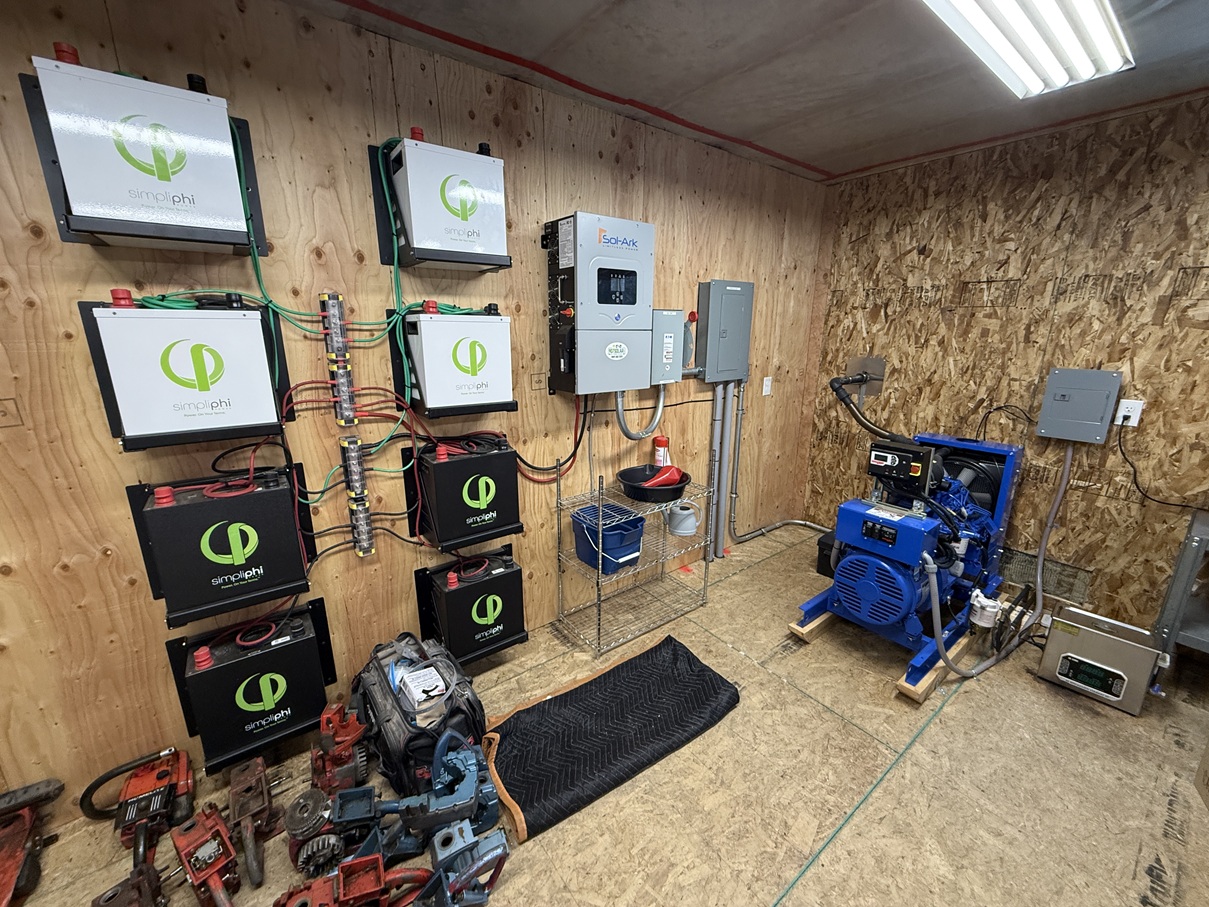
Generator + Solar: A Common Combination
Most remote Alaska properties use a hybrid system combining:
- solar power (for efficiency in summer)
- generators (for backup and winter use)
- wind (charge solar batteries)
This combination helps reduce fuel consumption while maintaining reliability.
👉 Learn more about solar systems:
Maintenance and Operating Costs
Generators require ongoing maintenance, including:
- fuel management
- oil changes
- periodic repairs
Operating costs can vary depending on:
- usage frequency
- fuel type
- system size
In our experience, these costs are often underestimated by buyers new to remote property ownership.
Common Mistakes Buyers Make with Generator Power
- Underestimating fuel needs
- Not planning for fuel storage
- Relying on a generator without backup systems
- Ignoring maintenance requirements
- Assuming lower operating costs than reality
These factors can impact both usability and long-term cost.
Is Generator Power Right for Your Remote Property?
Generator power is one of the most dependable options for remote Alaska property, particularly for year-round use.
However, understanding fuel logistics, operating costs, and system design is essential when determining if it’s the right solution for your needs.
Explore Remote Alaska Property with Off-Grid Potential
If you’re considering a property that relies on generator power, reviewing listings alongside real-world guidance can help you make a more informed decision.
👉 Browse remote Alaska property for sale:
Final Thoughts
Generator power is a key component of many remote Alaska properties. While it provides reliable energy, it also comes with considerations related to fuel, maintenance, and cost.
Planning ahead and understanding how these systems work can make a significant difference in your long-term experience with remote property ownership. Here is an overview of Off-Grid Infrastructure.