
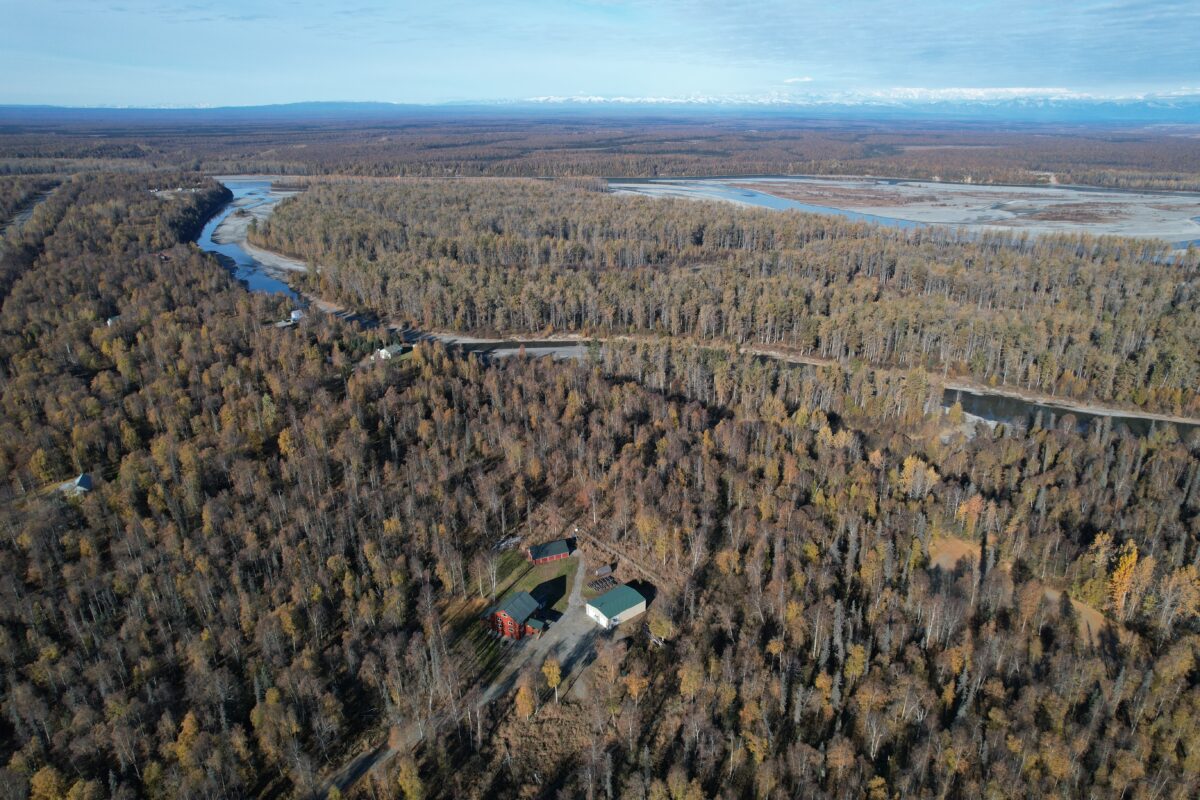
This case study reflects real-world experience marketing and evaluating remote Alaska property over the past 30 years.
Not every remote property fits neatly into the local market — and sometimes that’s exactly what makes pricing and positioning challenging.
This luxury home was significantly overbuilt for its surrounding area. Beautiful construction, high-end finishes, and impressive scale made it stand out — but in a market with very few comparable sales, determining the right pricing strategy required careful evaluation.
This case highlights one of the most important realities of remote Alaska real estate: market demand ultimately determines value.
The Property Overview
This property featured:
-
High-end construction quality
-
Large square footage
-
Premium finishes
-
Substantial heating requirements
-
Limited comparable sales in the immediate area
While the home itself was impressive, its size and level of finish exceeded what most buyers in the area were typically seeking.
The Pricing Challenge
One of the most difficult aspects of this listing was the lack of direct comparable properties.
In traditional residential markets, pricing often relies heavily on recent nearby sales. In remote Alaska, especially with unique properties, comparable data may be limited or nonexistent.
Key considerations included:
-
Limited luxury demand in the immediate region
-
Higher ongoing heating and maintenance costs
-
Smaller buyer pool for large, premium homes
-
Emotional value vs. market value
Pricing had to balance construction quality with realistic buyer demand.
Aerial Video of Property
Why Overbuilding Can Create Market Friction
In remote markets, overbuilding for the area does not always translate to proportional resale value.
Common realities include:
-
Buyers prioritizing usability over luxury finishes
-
Higher operating costs influencing purchasing decisions
-
Limited buyer demand for high-end features in remote settings
-
Infrastructure and access often outweigh cosmetic upgrades
This doesn’t diminish the quality of the property — it simply reflects market dynamics.
Marketing Strategy and Positioning
Because this property was visually impressive, marketing focused on:
-
Highlighting craftsmanship and construction quality
-
Clearly communicating infrastructure and systems
-
Setting realistic expectations about operating costs
-
Positioning the property for the right buyer demographic
Honest representation was essential. The goal was not to oversell — it was to attract the buyer who truly valued what the property offered.
What This Case Reinforced
Every challenging listing teaches valuable lessons. This property reinforced several key truths:
Market Demand Sets the Ceiling
No matter how well-built a home is, pricing must reflect what the buyer pool can support.
Operating Costs Matter to Buyers
Heating and maintenance expenses significantly influence decision-making in remote Alaska.
Presentation Must Be Balanced With Realism
Clear communication about size, systems, and costs builds trust and reduces buyer hesitation.
What Sellers Can Learn From This
For remote Alaska property owners considering selling:
-
Pricing must align with regional demand
-
Overbuilding may not yield full return on investment
-
Honest positioning often leads to better long-term outcomes
-
Broad exposure helps reach niche buyers
Understanding how the market evaluates property helps sellers avoid extended time on market.
Related Resources
Sellers and buyers may also find these guides helpful:
Real-world examples often provide clearer insight than theory alone.
More articles like this can be found in our Remote Alaska Property Insights section.
Explore Current Listings
Buyers researching remote property may want to browse current listings available across Alaska.