
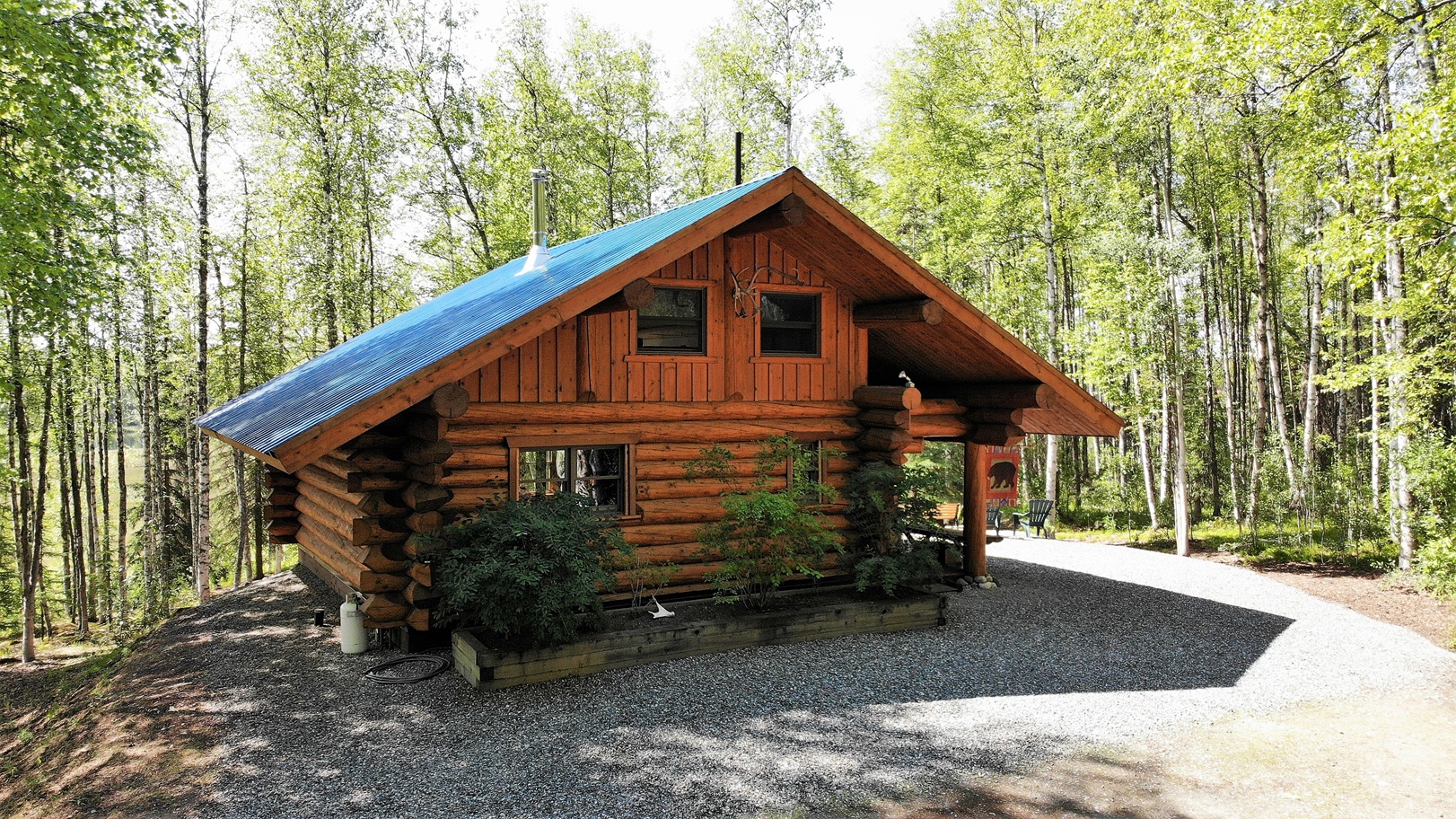
How to Price Remote Alaska Property Correctly
Guide written by Sheila Monson, a real estate professional with over 30 years of experience helping buyers and sellers navigate remote Alaska property.
Pricing remote property in Alaska is very different from pricing homes in traditional residential markets. Unique access conditions, limited comparable sales, and highly specific buyer demand all influence value. Setting the right price from the beginning is one of the most important factors in whether a property sells efficiently or sits on the market.
This guide explains how remote Alaska property is realistically priced, what factors matter most, and the common mistakes sellers make when determining value.
Why Pricing Remote Alaska Property Is Different
Remote property does not behave like suburban real estate. In many areas of Alaska, there may be very few comparable sales, and buyer demand can vary significantly depending on access, infrastructure, and usability.
Factors that make pricing more complex include:
-
Limited comparable sales
-
Unique access types (fly-in, river access, off-grid)
-
Seasonal buyer activity
-
Infrastructure differences between properties
-
Lifestyle-driven purchasing decisions
Because of this, pricing requires both market data and real-world experience with remote property buyers. More Remote Property Insights can help when pricing your remote property.
The Role of Comparable Sales (And Their Limits)
Comparable sales — often called “comps” — are still important, but they must be used carefully in remote markets.
Challenges with comps include:
-
Large differences in access type
-
Variations in infrastructure or improvements
-
Limited recent sales in some areas
-
Unique property features that don’t easily compare
Two properties with similar acreage may have very different market values depending on usability and access.
The Biggest Factors That Influence Price
Access Type
Access is often the single biggest pricing factor.
Examples:
-
Road access generally increases buyer demand
-
River access can be highly desirable but seasonal
-
Fly-in access may reduce the buyer pool but attract niche buyers
The easier a property is to reach, the larger the potential buyer audience.
Infrastructure and Improvements
Buyers place significant value on usable infrastructure such as:
-
Power systems
-
Heating setups
-
Water availability
-
Septic systems
-
Well-built cabins or homes
However, improvements must match the market. Overbuilding for the area does not always increase value proportionally.
Usability of the Land
Buyers often pay more for property they can immediately use.
Important considerations include:
-
Terrain and slope
-
Buildable areas
-
Water access
-
Timber or open land
-
Hunting and recreation potential
Practical usability frequently outweighs raw acreage.
Location and Regional Demand
Certain regions of Alaska attract more consistent buyer interest due to recreation, access, or lifestyle appeal. Demand levels can significantly impact pricing even when properties appear similar on paper.
Why Overpricing Is One of the Biggest Mistakes
Many remote property owners understandably place emotional value on their land. However, pricing too high often creates long-term challenges.
Common outcomes of overpricing:
-
Reduced buyer interest early in the listing
-
Longer time on market
-
Price reductions later
-
Perception that something is wrong with the property
Remote buyers are often well researched and tend to compare listings carefully before traveling to view a property.
Why Overbuilding Doesn’t Always Increase Value
One of the most common challenges in remote Alaska real estate is properties that are significantly overbuilt for their area.
Examples include:
-
Luxury finishes in areas with limited comparable demand
-
Large homes with high heating costs
-
Improvements that exceed what most buyers expect for remote living
While these properties may be beautiful, pricing must still reflect what the market is willing to support.
Pricing for Exposure vs. Pricing for Hope
A well-priced listing attracts attention quickly. In remote markets, early visibility is critical because buyer pools are smaller.
Effective pricing strategy focuses on:
-
Realistic market value
-
Broad buyer appeal
-
Competitive positioning
-
Strong initial exposure
Pricing based on hope rather than market reality often delays results.
How Proper Marketing Supports Pricing
Pricing and marketing work together. A correctly priced property supported by strong marketing reaches the widest possible audience.
Key marketing factors include:
-
Alaska MLS exposure
-
Syndication to major real estate websites
-
Professional photography and video tours
-
Clear property descriptions
-
Educational content that attracts informed buyers
See this real world case study on a peony farm we sold here in Alaska
The right combination of pricing and exposure gives sellers the best chance of success.
Common Pricing Mistakes Sellers Make
Some of the most common pricing mistakes include:
-
Comparing to properties with different access types
-
Ignoring seasonal demand patterns
-
Overvaluing improvements that buyers may not prioritize
-
Pricing based on emotional attachment
-
Assuming higher price means more negotiating room
Realistic pricing often leads to better outcomes and less time on market.
Signs a Property May Be Priced Correctly
A well-priced remote property often shows:
-
Early buyer interest
-
Increased inquiries within the first few weeks
-
Showings or requests for additional information
-
Engagement from serious, qualified buyers
Early activity is usually a strong indicator that pricing aligns with market expectations.
How We Approach Pricing Remote Alaska Property
Pricing remote property requires understanding both market data and real-world buyer behavior. Experience with access types, infrastructure, and regional demand helps determine a pricing strategy that attracts serious buyers while protecting seller value.
Every property is unique, which is why pricing should always be based on realistic market conditions rather than assumptions.
Related Guides and Resources
Sellers and buyers may also find these resources helpful:
Understanding access, infrastructure, and buyer expectations helps sellers position their property effectively.
More articles like this can be found in our Remote Alaska Property Insights section.