The Complete Guide to Off-Grid Infrastructure for Remote Alaska Property
Guide written by Sheila Monson, a real estate professional with over 30 years of experience helping buyers and sellers navigate remote Alaska property.
Owning off-grid property in Alaska offers freedom, privacy, and a strong connection to the land — but it also requires planning and realistic expectations. Unlike properties connected to public utilities, off-grid land depends entirely on self-contained systems for power, heating, water, and waste management. These systems are commonly used by people living off grid in Alaska, particularly in remote cabin and wilderness property settings.
Understanding how these systems work together is one of the most important parts of buying remote Alaska property. This guide explains the core infrastructure buyers should evaluate before purchasing off-grid land or cabins, including common setups, maintenance realities, and practical considerations based on real-world experience.
What Does “Off-Grid” Mean in Alaska?
Off-grid property refers to land or homes that are not connected to traditional public utilities such as electricity, natural gas, municipal water, or sewer systems.
Instead, owners rely on independent systems to provide:
-
Power
-
Heat
-
Water
-
Waste management
-
Communication
In Alaska, off-grid living can range from simple recreational cabins to fully self-sufficient year-round homes. The key difference is that the owner is responsible for understanding and maintaining the infrastructure. Sometimes affordability plays a major role in people decisions.
Why Buyers Choose Off-Grid Property
Many buyers are drawn to off-grid property because it offers:
-
Greater privacy and independence
-
Access to remote wilderness areas
-
Lower long-term utility costs
-
A simpler lifestyle
-
Freedom from development and urban growth
For many Alaska property owners, off-grid living is about self-reliance and creating a lifestyle that fits the environment rather than depending on traditional infrastructure. Educating yourself on Current Market Insights is also very helpful.
Power Systems for Off-Grid Properties
Generator Systems
Generators remain one of the most common power sources for remote Alaska properties. They provide reliable energy but require fuel storage, regular maintenance, and thoughtful planning.
Buyers should evaluate:
-
Generator age and condition
-
Fuel storage capacity
-
Noise considerations
-
Maintenance access
Solar Power Systems
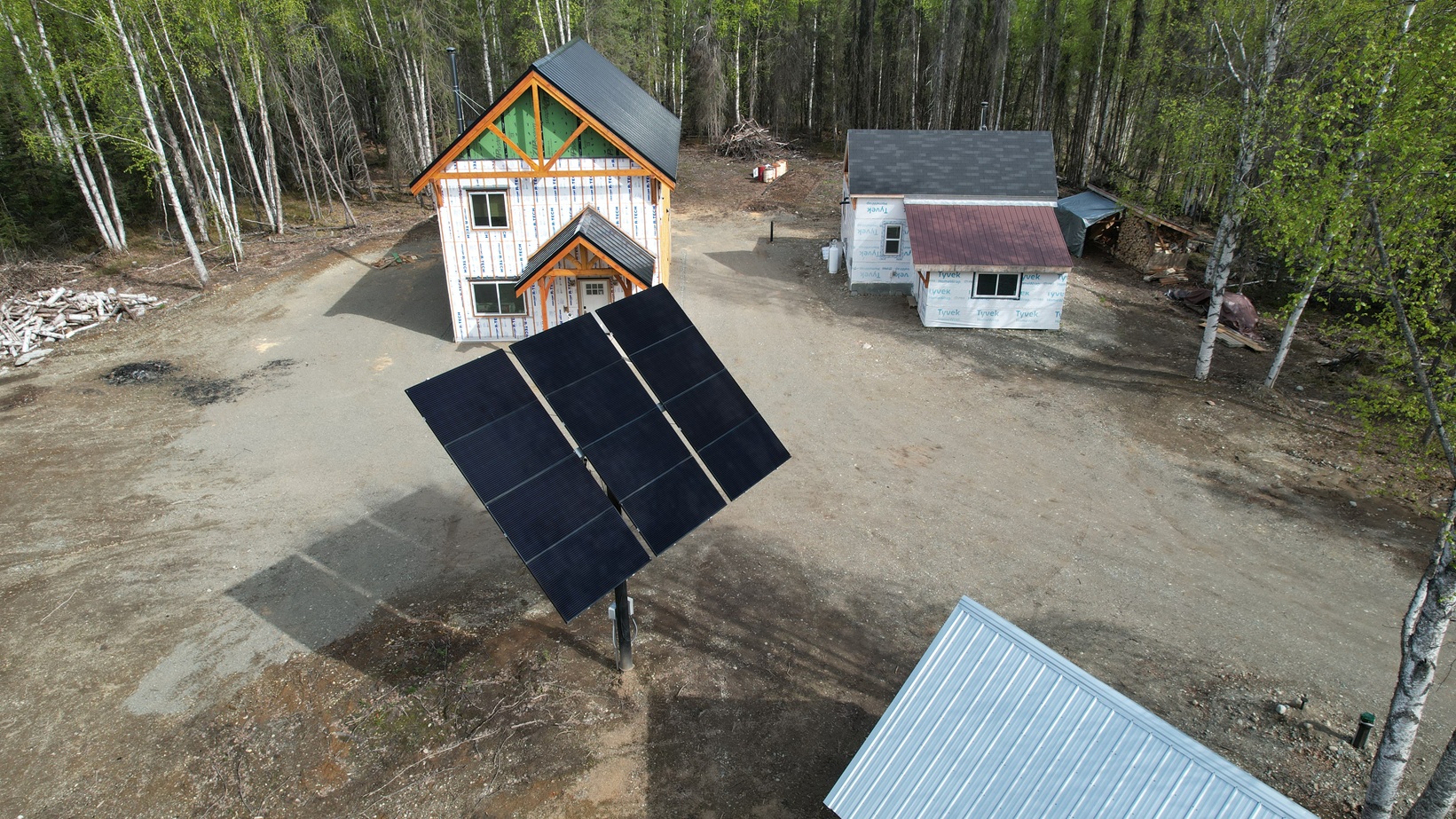
Solar power is increasingly common in Alaska during summer months when daylight hours are long. Many properties use solar as a supplement to generators.
Important considerations include:
-
Battery storage capacity
-
Winter performance limitations
-
Panel orientation and snow load
-
Backup power requirements
Hybrid Systems
Many experienced owners combine generators and solar power to balance reliability and efficiency. Hybrid setups often provide the best long-term flexibility in remote environments.
Heating Systems and Cold Weather Planning
Heating is one of the most important factors in off-grid Alaska living. Buyers should understand both the heating system and the ongoing fuel requirements.
Common heating options include:
-
Wood stoves
-
Oil or diesel heaters
-
Propane systems
-
Combination setups
Buyers should evaluate:
-
Insulation quality
-
Heating efficiency
-
Fuel availability and transport
-
Winter accessibility for fuel delivery
Heating costs can vary significantly depending on building size and construction style.
Water Systems for Remote Properties
Water systems vary widely across Alaska depending on location and climate.
Common options include:
-
Wells
-
Surface water systems
-
Water hauling
-
Rainwater collection (seasonal)
Buyers should consider:
-
Water source reliability
-
Winter freezing risks
-
Pump and filtration systems
-
Maintenance requirements
Water infrastructure often determines how practical a property is for full-time use.
Waste Management and Septic Systems
Remote properties typically rely on independent waste systems.
Common setups include:
-
Septic systems
-
Holding tanks
-
Composting toilets (in some cabins)
Buyers should verify:
-
System age and condition
-
Installation quality
-
Local requirements
-
Accessibility for servicing
Proper waste management is essential for long-term property usability.
Communication and Internet Considerations
Many buyers underestimate communication needs when moving off-grid.
Depending on location, options may include:
-
Satellite internet
-
Cellular boosters
-
Radio communication systems
Connectivity varies widely in remote Alaska, so expectations should be realistic.
Seasonal Maintenance and Winter Preparation
Off-grid ownership requires seasonal planning. Winter conditions can impact everything from access to infrastructure reliability.
Important considerations include:
-
Winterizing water systems
-
Fuel storage planning
-
Snow load on roofs and solar panels
-
Backup heating options
-
Emergency supplies
Proper preparation helps prevent costly damage and unexpected repairs.
Who Off-Grid Property Is Best For
Off-grid properties are often ideal for:
-
Buyers comfortable with self-reliance
-
Outdoor enthusiasts
-
Recreational property owners
-
Buyers seeking privacy and independence
-
People willing to learn basic system maintenance
Who Off-Grid Living May Not Be Ideal For
Off-grid property may be challenging for:
-
Buyers expecting urban convenience
-
Those uncomfortable managing systems
-
Owners needing predictable utility services
-
Buyers unprepared for seasonal planning
Understanding this early helps avoid frustration later.
Real Example: Off-Grid Property Video Tour
Seeing real-world examples helps buyers understand how off-grid systems function in actual Alaska conditions.
More articles like this can be found in our Remote Alaska Property Insights section.
Common Mistakes Buyers Make
Some common mistakes include:
-
Underestimating heating costs
-
Assuming solar works year-round without backup
-
Ignoring insulation quality
-
Not planning for fuel storage
-
Overlooking maintenance needs
Learning from real experiences helps buyers make smarter decisions.
Off-Grid Property Buyer Checklist
Before purchasing an off-grid property, buyers should:
-
Understand the power system setup
-
Evaluate heating efficiency
-
Verify water source reliability
-
Inspect waste systems
-
Plan for seasonal maintenance
This checklist helps ensure expectations match reality.
Related Guides and Resources
Buyers researching off-grid property may also find these resources helpful:
Understanding access, infrastructure, and lifestyle together helps buyers make informed decisions.
Explore Current Listings
Buyers researching fly-in property may want to browse current listings available across Alaska.