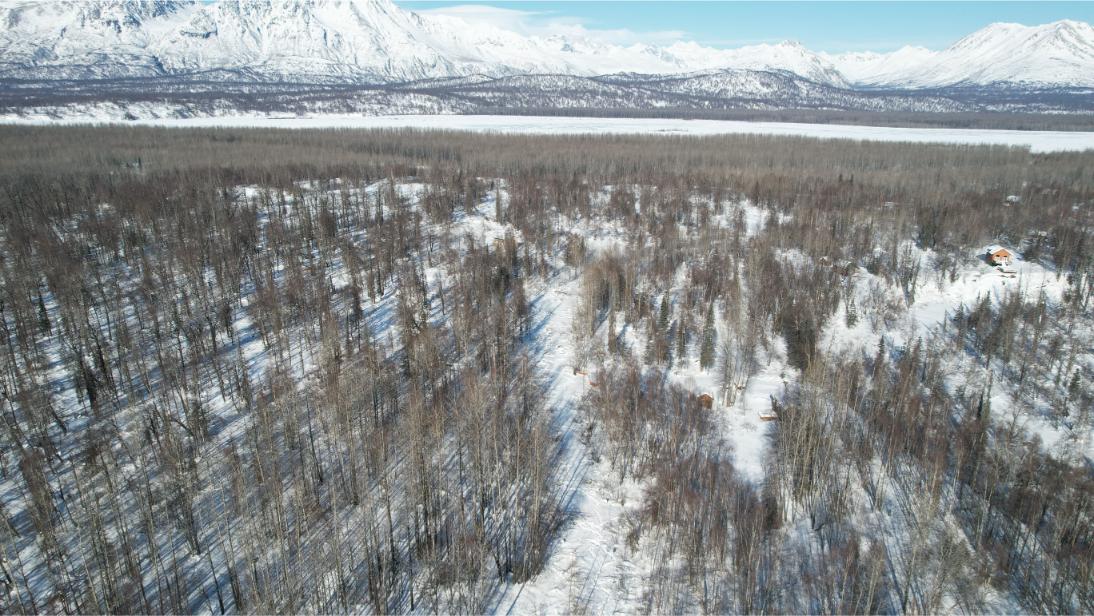
What Does It Really Cost to Own Remote Property in Alaska?
Owning remote property in Alaska is an incredible opportunity — but the purchase price is only part of the equation.
Many buyers focus on the cost of the land or cabin itself without fully understanding the ongoing expenses that come with owning property in a remote location. In Alaska, factors like access, seasonal conditions, and off-grid infrastructure can significantly impact the true cost of ownership.
In our experience working with buyers across Alaska, these are the costs that most people underestimate.
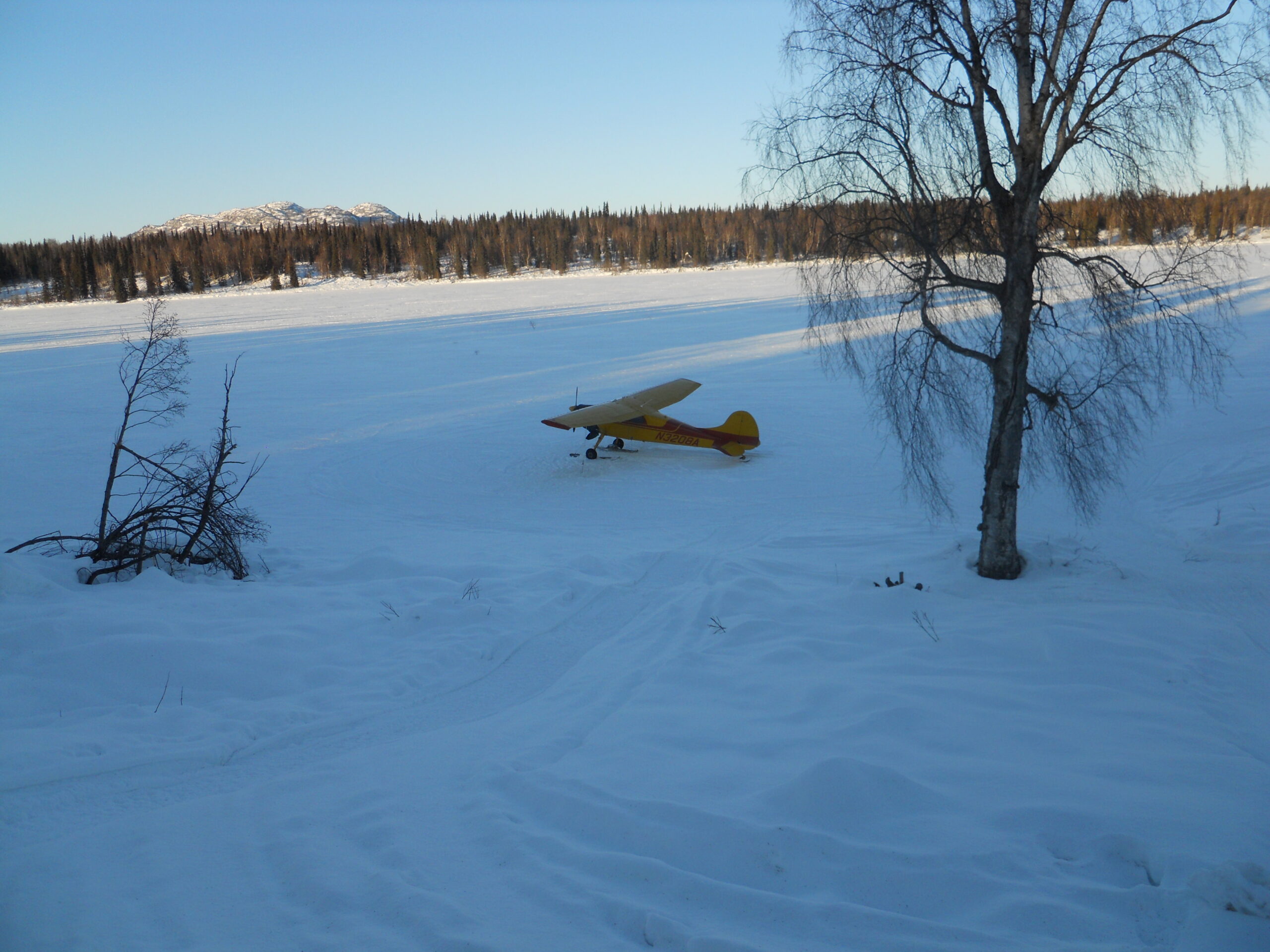
1. Access Costs (Often the Biggest Expense)
Access is one of the most important — and often most expensive — aspects of owning remote property in Alaska.
Depending on the location, access may require:
- bush plane flights
- boat transportation
- snowmachine travel
- seasonal road access
Fuel, maintenance, and frequency of travel can add up quickly over time.
👉 Learn more about access considerations:
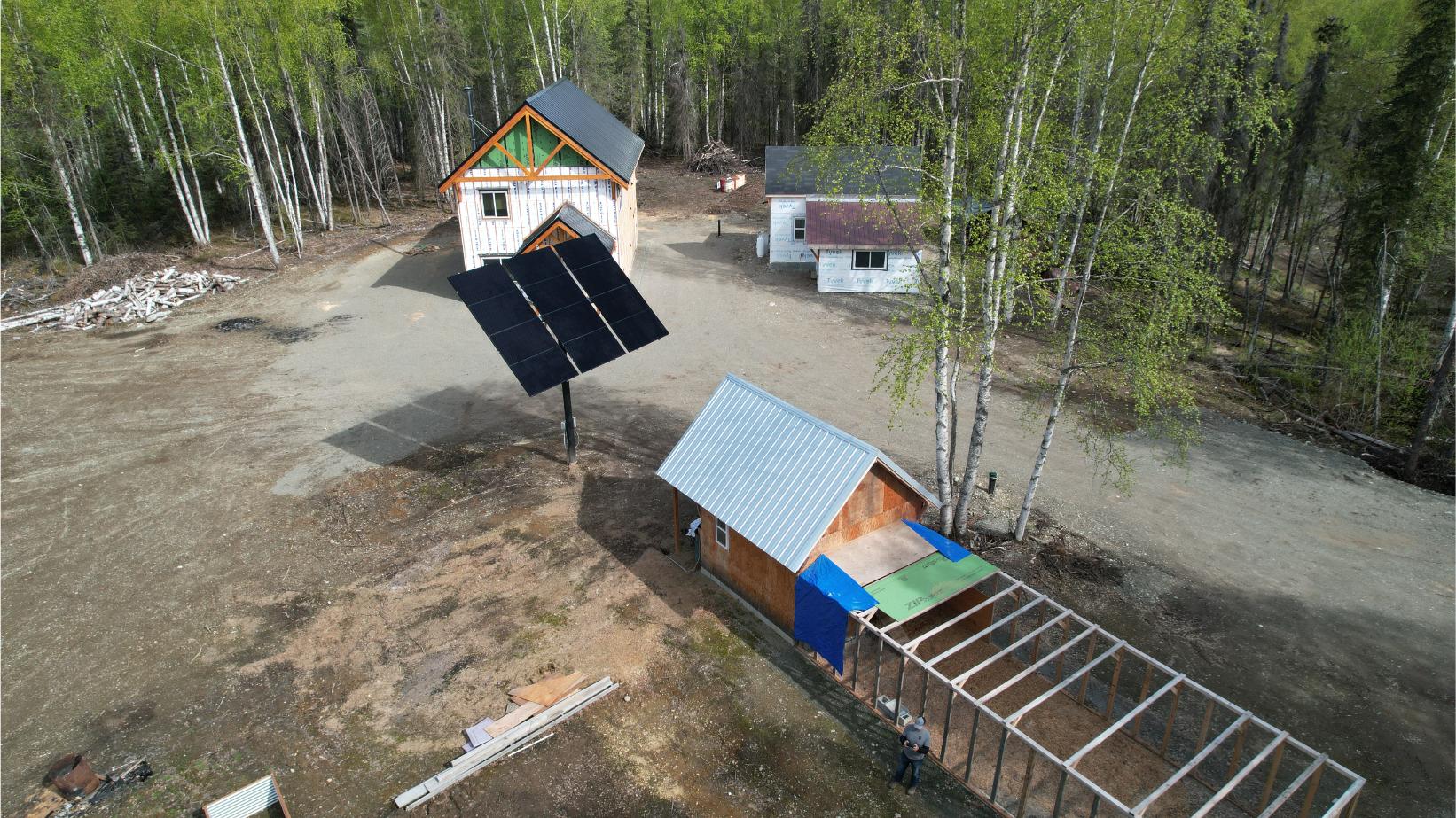
2. Off-Grid Power Systems
Most remote properties in Alaska rely on independent power systems such as:
- generators
- solar systems
- battery storage
These systems require:
- initial setup investment
- ongoing maintenance
- replacement or upgrades over time
3. Water and Waste Systems
Remote properties often require creative solutions for water and waste, including:
- hauling water
- rainwater collection
- septic or alternative waste systems
The setup and maintenance of these systems can vary widely depending on location and property type.
4. Maintenance and Repairs
Cabins and structures in remote Alaska face:
- extreme weather
- limited access to materials
- higher repair costs due to transportation
Even basic repairs can become more complex when everything has to be brought in from elsewhere.
5. Seasonal Limitations
Seasonal changes can significantly impact:
- accessibility
- usability
- maintenance schedules
A property that works well in summer may present entirely different challenges in winter.
6. Property Improvements
Building or upgrading a remote property often costs more due to:
- transportation of materials
- limited labor availability
- logistical challenges
Even small improvements can require additional planning and expense.
7. Hidden Costs Most Buyers Overlook
Some of the most common hidden costs include:
- fuel and transportation
- emergency repairs
- time and logistics
- upgrading outdated systems
In our experience, these are the costs that catch buyers off guard the most.
How Much Does Remote Property in Alaska Really Cost?
There’s no single answer — because cost depends heavily on:
- location
- access type
- level of development
- intended use
However, understanding these categories of expenses will give you a much clearer picture of what to expect beyond the purchase price.
Browse Remote Alaska Property for Sale
If you’re considering purchasing remote property, reviewing current listings alongside real-world guidance can help you make a more informed decision.
👉 Browse current listings:
Final Thoughts
Owning remote property in Alaska offers unmatched privacy, recreation, and opportunity — but it requires preparation and realistic expectations.
Understanding the full cost of ownership before purchasing can help ensure your property works for you long-term.