Septic Systems for Remote Alaska Properties
A Practical Guide for Buyers and Owners
Water gets a lot of attention when people think about owning remote property in Alaska. Where will the water come from? Is there a well? Can water be hauled? Is there a lake or creek nearby?
There is another question that's just as important:
Where does the wastewater go?
For a simple seasonal cabin, the answer may involve an outhouse and a very basic water setup. A year-round remote home may have a conventional septic tank and soil absorption system. Other properties may require holding tanks, alternative wastewater systems, or site-specific solutions because of soil, groundwater, terrain, access, or other conditions.
There is no single wastewater system that's right for every remote Alaska property.
Understanding what exists—or what could realistically be installed—can help buyers avoid expensive surprises and help owners make better decisions as they improve their property.
This guide explains the major considerations remote Alaska buyers and property owners should understand about septic and wastewater systems, from conventional septic systems and pit privies to documentation, maintenance, winter conditions, and questions to ask before purchasing.
Important: Wastewater systems are regulated in Alaska. This guide provides general real estate and ownership information, not septic-system design or engineering advice. Property owners should verify current requirements with the appropriate regulatory authority and qualified professionals before installing, altering, or replacing a wastewater system.
WHAT YOU'LL LEARN
Conventional septic systems • Site and soil considerations • Pit privies and outhouses • Holding tanks • Wastewater documentation • Buying property with an existing system • Remote access considerations • Winter use • Maintenance • Planning future improvements
TABLE OF CONTENTS
- Why Wastewater Planning Matters in Remote Alaska
- How a Conventional Septic System Works
- Can Every Remote Property Support a Septic System?
- Site Conditions and Soil
- Septic Tanks and Soil Absorption Systems
- Outhouses and Pit Privies
- Holding Tanks and Alternative Systems
- Graywater and Dry Cabins
- Alaska Winters and Wastewater Systems
- Access and Septic Maintenance
- Buying Remote Property With an Existing Septic System
- Selling Remote Property With a Septic System
- Planning for Future Improvements
- Frequently Asked Questions
Why Wastewater Planning Matters in Remote Alaska
Remote properties tend to make us think first about the exciting things: acreage, mountains, hunting, fishing, privacy, rivers, lakes and cabins surrounded by wilderness.
Wastewater isn't nearly as exciting.
Until there's a problem.
A wastewater system can affect where a cabin can be built, where a well can be located, how a property can be developed and what improvements may be practical in the future.
In remote areas, another issue becomes especially important: serviceability.
A system that works perfectly at a road-accessible residence may be much less practical at a cabin reached only by snowmachine or aircraft.
That means wastewater planning shouldn't begin with:
"What's the best septic system?"
It should begin with:
"What wastewater solution makes sense for this particular property and the way it will actually be used?"
A recreational cabin occupied a handful of weekends each year has different needs from a four-bedroom home occupied year-round.
Remote Alaska rewards systems that are appropriate for the property, maintainable by the owner and realistic given the location.
Remote Properties Alaska Field Note
Remote doesn't always mean complicated.
One of the recurring themes with off-grid property is that the most elaborate solution isn't automatically the best one. A simple cabin used seasonally may benefit from a very different wastewater strategy than a year-round home. Think about actual use, accessibility and maintenance before deciding what the property "needs."
How a Conventional Septic System Works
A conventional onsite wastewater system generally has two primary jobs.
First, wastewater from the home or cabin enters a septic tank. Solids settle while wastewater moves onward through the system.
Second, wastewater is distributed into a soil absorption system, where suitable soil becomes an important part of the treatment process.
That second part is why buying acreage doesn't automatically mean you can put a septic system anywhere you want.
The land itself is part of the wastewater system.
Soils, groundwater, topography, setbacks and the location of wells, surface water, buildings and other features can all affect where a system can be placed.
Alaska DEC regulates onsite wastewater systems under 18 AAC 72 and provides technical standards through its Onsite Wastewater System Installation Manual. Conventional systems may be installed through qualified routes that include registered engineers, Certified Installers and, under specific conditions, Approved Homeowners. Difficult site conditions or systems outside conventional requirements can require engineering and DEC review.
Can Every Remote Property Support a Septic System?
No—and this is something buyers should understand before purchasing undeveloped land.
A large parcel can look like it has endless room for development, but acreage alone doesn't determine whether a conventional wastewater system will work.
Conditions that can affect wastewater options include:
- Soil characteristics
- Groundwater
- Surface water
- Wetlands
- Terrain and slopes
- Building location
- Drinking-water sources
- Property boundaries
- Access for construction equipment
- Intended property use
Some sites that aren't suitable for a conventional system may still have other possibilities, but those situations can require professional evaluation and engineered solutions. DEC specifically notes that difficult site conditions, poor soils, or high groundwater can necessitate an alternative onsite system.
That's why wastewater feasibility belongs in the conversation before someone decides where the dream cabin is going.
Site Conditions and Soil
Why Soil Matters
The septic tank is only one component of a conventional system.
The soil absorption area is equally important because wastewater must be treated and dispersed appropriately.
Different soils behave differently. Some drain quickly. Others hold water. Groundwater conditions can create additional limitations.
This is why a photograph of beautiful, flat land tells you almost nothing about its suitability for a conventional septic system.
Don't Assume More Acreage Solves the Problem
Twenty acres doesn't necessarily mean twenty acres of suitable building sites.
A property may contain wetlands, steep terrain, shallow groundwater or other physical constraints that reduce the areas available for development.
Conversely, a smaller parcel with favorable soils and a well-planned layout may be easier to develop.
Remote Properties Alaska Field Note
Evaluate the property as a system.
The cabin, water source, wastewater system, driveway or trail, power equipment and future outbuildings all compete for space. Thinking about the entire site before placing permanent improvements can prevent one decision from limiting another later.
Septic Tanks and Soil Absorption Systems
For properties capable of supporting a conventional septic system, proper design and installation matter.
The location of the septic tank is only part of the equation. Owners also need to understand where the absorption area is located and avoid damaging it through inappropriate construction, excavation, traffic or other activities.
For remote properties, think beyond installation.
Ask:
Can the system be maintained after it is built?
If the tank eventually needs service, can the necessary equipment reach it?
That may be straightforward on a road-accessible property.
At a genuinely remote cabin, it may be one of the most important design considerations.
Documentation Matters
Owners should keep wastewater records with the property's important documents.
Useful records may include system documentation, design information, installation records, maintenance history and a map or diagram showing the location of components.
DEC currently uses its Environmental Data Management System, or EDMS, for onsite wastewater documentation, and its real-estate guidance explains that recorded Documentation of Construction can be retrieved there. Older systems may have different forms of documentation depending upon when they were installed.
Outhouses and Pit Privies
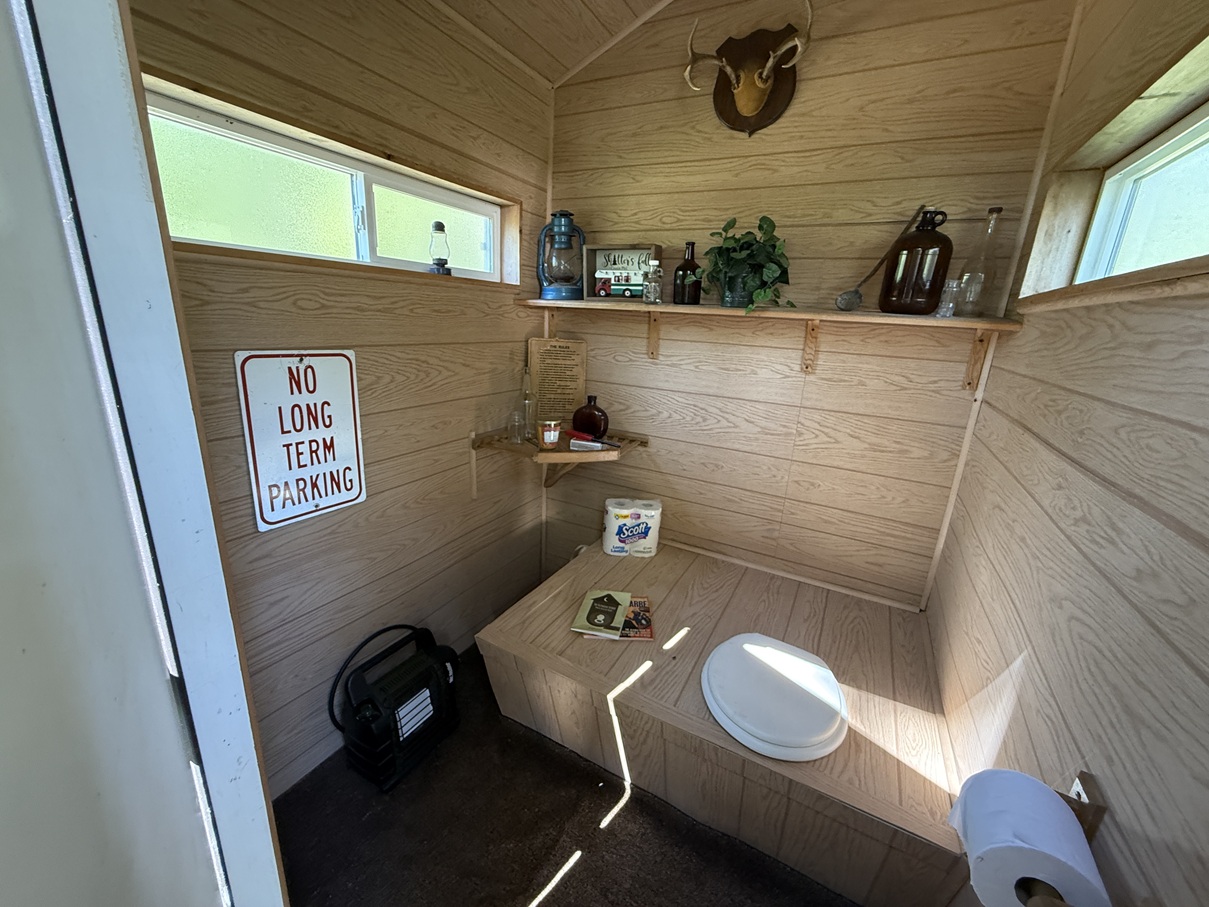
For many people, the classic Alaska remote cabin and the outhouse go hand in hand.
And for some properties, a properly located pit privy may be an appropriate solution.
But remote does not mean unregulated.
Location matters because human waste can contaminate groundwater and surface water.
DEC's current pit-privy guidance includes minimum separation requirements from surface water, wetlands and potable water sources, along with requirements involving seasonal high groundwater. For example, its general guidance specifies 100 feet from surface water and non-public potable water systems and four feet between the bottom of the privy and seasonal high groundwater. Site-specific circumstances can change what's permissible, so owners should verify the requirements applicable to their property rather than relying solely on a generic measurement.
An Outhouse Still Requires Planning
Before choosing a location, consider:
- Water sources
- Surface drainage
- Groundwater
- Soil conditions
- Convenience
- Winter access
- Odor
- Future cabin expansion
- Future well locations
- Applicable regulations
Moving an outhouse is easier than moving a house, but planning ahead is still worthwhile.
Holding Tanks and Alternative Systems
Some properties aren't well suited to a conventional septic system.
In other situations, owners may choose a different wastewater solution because of the property's use or physical constraints.
A wastewater holding tank stores wastewater rather than dispersing it through an onsite soil absorption system. That introduces a critical question for remote property:
How will it be emptied?
For road-accessible properties, pumping may be relatively straightforward.
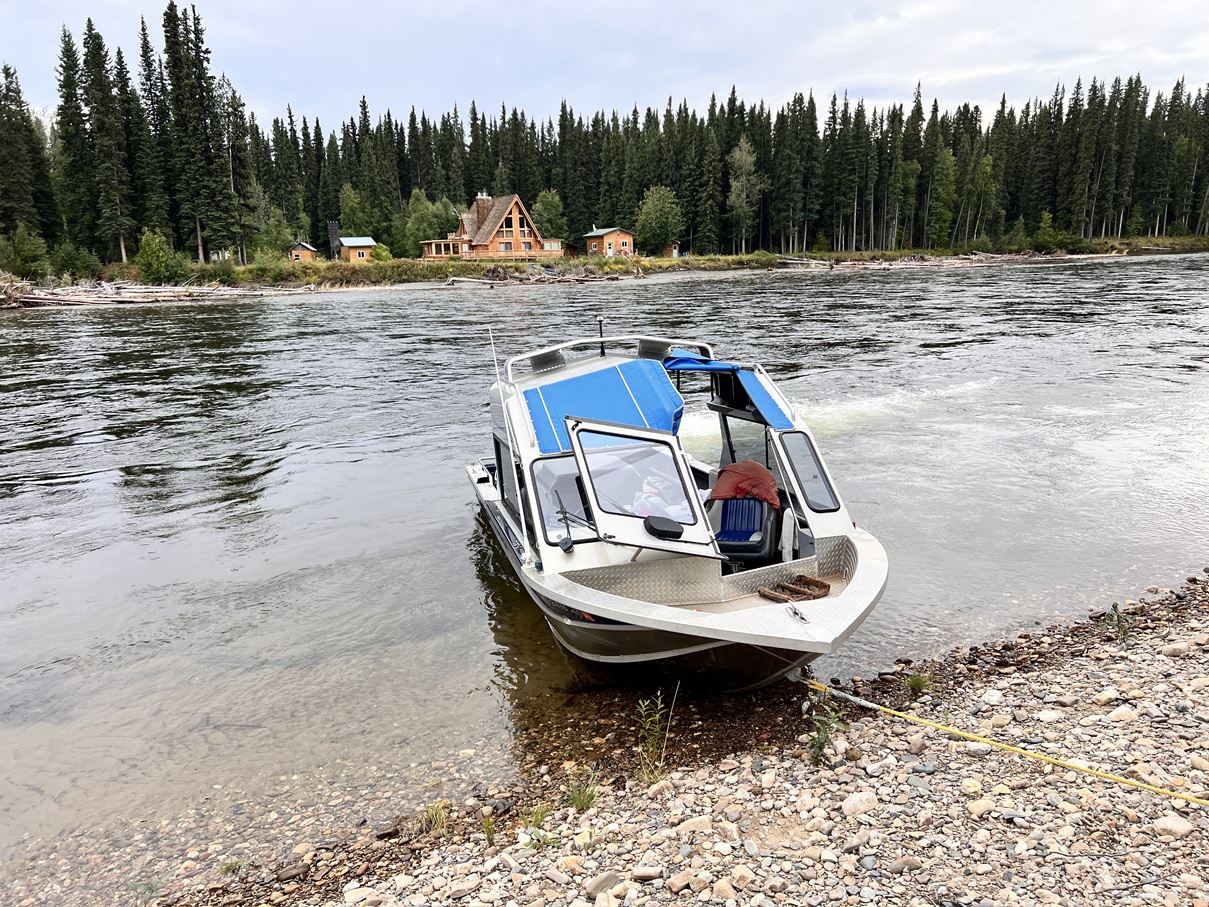
For a property reached only by trail, boat or aircraft, routine pumping can create a significant logistical problem.
Alternative wastewater systems may also be appropriate for certain sites, but difficult conditions can require an Alaska-registered engineer and regulatory review.
This is an excellent example of why remote property decisions must consider more than whether a system technically can be installed.
It also needs to be practical to operate.
Graywater and Dry Cabins
A dry cabin does not have conventional running water, but that doesn't necessarily mean there is no wastewater to manage.
Dishwashing, handwashing, bathing and other activities can create graywater.
How graywater may be handled depends on the system, property use and applicable requirements. Owners should not assume that because water doesn't come from conventional plumbing, it can simply be discharged anywhere.
For some temporary and remote-camp situations, Alaska DEC publishes specific graywater guidance, including limits and treatment considerations, which illustrates why the details of use matter.
For the property owner, the larger lesson is simple:
Plan the entire water cycle.
Where does your water come from?
How is it stored?
How is it heated?
Where does it go after use?
Be sure to check out our water systems guide to learn more about finding, storing, and protecting water at a remote property.
Alaska Winters and Wastewater Systems
In Alaska, every system eventually has to answer one question:
What happens when it's cold?
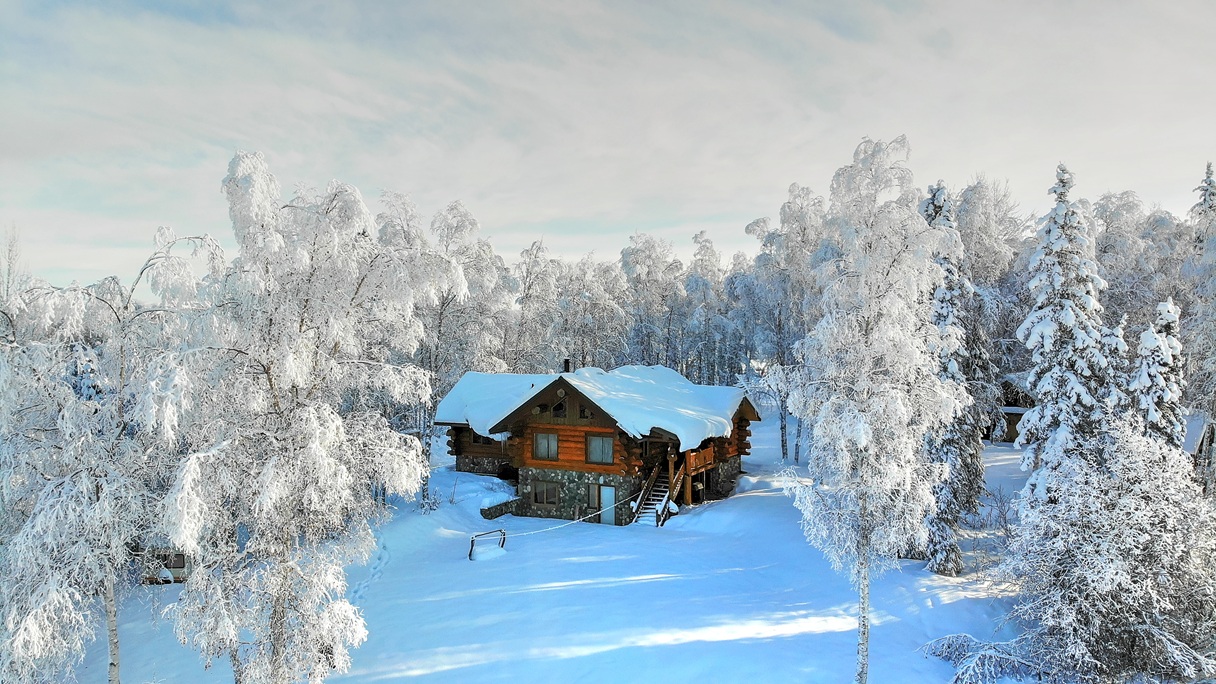
Year-round wastewater systems need to be designed and installed for the conditions where they're located. Seasonal cabins have another challenge: shutting systems down when the property may sit unoccupied during freezing weather.
Potential problems can involve plumbing, pumps, drains and other components exposed to freezing conditions.
The appropriate solution depends heavily on the individual property and system, so this isn't an area where owners should copy a generic internet diagram and assume it will work in Alaska.
For buyers, however, there are some useful questions:
Ask the Seller
How has the system performed during winter?
Has anything frozen previously?
Is the property used year-round?
How is the plumbing winterized?
Has the septic system required repairs?
When was it last serviced?
Those answers can reveal far more than simply knowing that the listing has "septic."
Remote Properties Alaska Field Note
"Has septic" isn't enough information.
On a remote property, we want to know what system exists, where it is, how old it is, how it has been maintained and whether the logistics of servicing it make sense. The existence of a system and the practicality of owning that system are two different questions.
Access and Septic Maintenance
Remote property owners tend to think about access in terms of getting themselves to the cabin.
But access affects nearly everything:
Fuel delivery.
Building materials.
Construction equipment.
Well drilling.
Septic installation.
Maintenance.
Emergency repairs.
If a wastewater system requires equipment that cannot realistically reach the property, that should be considered during planning.
A remote system should be evaluated not only for how it works today, but for how it will be maintained ten or twenty years from now.
Buying Remote Property With an Existing Septic System
This is one of the most important sections on the page.
When considering a property with an existing wastewater system, don't stop at:
"Does it have septic?"
Ask for information.
Questions Worth Asking
- What type of system is installed?
- Where are the tank and absorption area?
- When was it installed?
- Is documentation available?
- Has the system been repaired or modified?
- How frequently has it been serviced?
- Has the owner experienced backups or other problems?
- Is there a maintenance history?
- Is the system appropriate for the property's current use?
- Can service equipment reach it?
DEC recommends that prospective buyers inspect the system, locate available design and construction records and review maintenance information. DEC's real-estate resources also address what happens when documentation for an existing system cannot be found. Alaska DEC guidance for buying property with septic.
What If There Are No Records?
Older remote properties can sometimes present incomplete documentation.
That doesn't automatically tell you whether the system works or doesn't work. It means more investigation may be necessary.
DEC says that when an owner wants to document an existing system for which no documentation exists, an engineer's report is required for submission to the agency. Alternatively, replacement with a new conventional system may be possible through a Certified Installer when the site is suitable.
This is exactly the kind of issue worth discovering before closing rather than afterward.
Selling Remote Property With a Septic System
Good wastewater information isn't only valuable to buyers.
It's valuable to sellers.
If you're preparing to sell a remote property, gathering your septic information before listing can remove uncertainty for prospective buyers.
Locate whatever records you have.
Know where the system is.
Gather maintenance history.
Be honest about known problems.
If documentation exists in DEC records, know where buyers can find it. If you are thinking of selling your remote property, your septic system is just one aspect of things you should know. Visit our Biggest Mistakes Remote Alaska Sellers Make page for more valuable info on what to avoid.
A seller who can answer practical questions about water, wastewater, access, power and heating makes it much easier for a buyer to understand the property.
And that is especially important when the buyer may live thousands of miles away.
Planning for Future Improvements
Imagine you buy a simple one-room cabin today.
Five years from now, you add:
A bedroom.
A bathroom.
A guest cabin.
A shop.
A sauna.
Perhaps the property eventually becomes your year-round home.
The wastewater requirements of the property may change with those plans.
DEC's documentation guidance, for example, bases peak residential wastewater flow on bedroom count, and some types of systems or multi-building configurations require engineering involvement.
That doesn't mean you need to build everything today.
It means it's worth thinking about tomorrow.
Preserving suitable areas for future improvements can be far easier than discovering later that permanent structures were placed where you now need something else.
The Best Wastewater System Is the One That Fits the Property
There isn't a universal answer for wastewater on remote Alaska property.
For one owner, a conventional septic system may provide the comfort and convenience needed for year-round living.
For another, a simple seasonal cabin may call for an entirely different approach.
Location, soil, water, access, usage, climate and long-term plans all matter.
The important thing is to understand those factors before making expensive decisions.
Remote property ownership often works best when systems are reliable, maintainable and appropriate for the way the property is actually used.
That's the goal—not complexity.