
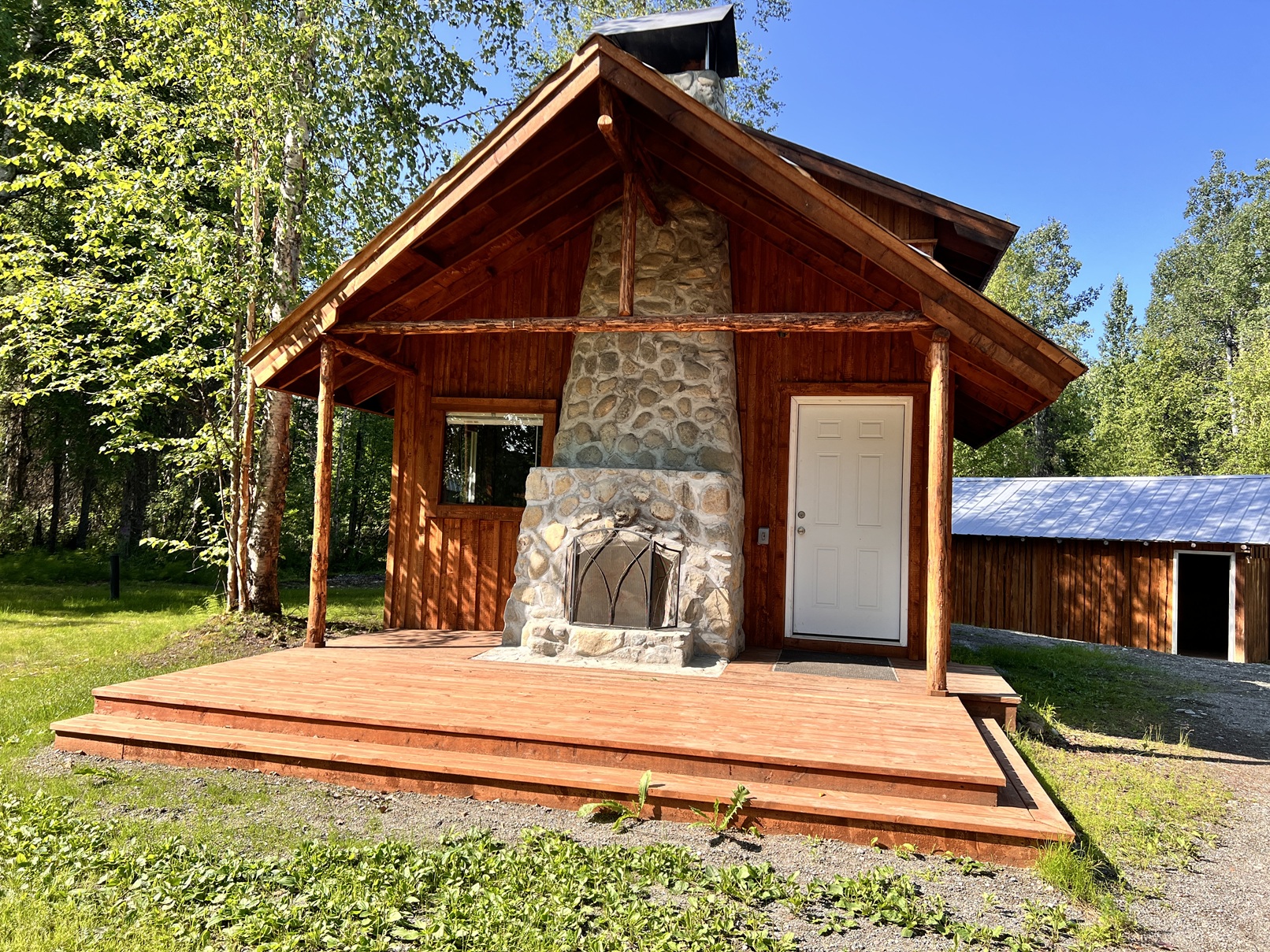
Hidden Costs of Owning Remote Property in Alaska
Owning remote property in Alaska can be an incredible experience. Privacy, wilderness, and independence are major reasons buyers are drawn to remote land and off-grid cabins. However, many first-time buyers focus primarily on the purchase price and underestimate the ongoing costs that come with owning property in remote areas.
Understanding these hidden costs before buying helps owners plan realistically and avoid surprises. This guide explains the most common expenses associated with remote Alaska property ownership and what buyers should consider when evaluating long-term affordability. Gaining more insights into this can be important.
Why Remote Property Costs Are Different
Remote property ownership is fundamentally different from owning property in areas with roads and public utilities. When access is limited and infrastructure is independent, many responsibilities shift directly to the owner.
Costs that are minimal or predictable in traditional markets can become major considerations in remote Alaska, especially when logistics and seasonal conditions are involved.
Transportation and Access Costs
One of the largest ongoing expenses for many remote property owners is simply getting to the property.
Depending on access type, costs may include:
-
Aircraft travel or charter flights
-
Boat transportation
-
Fuel for snowmachines or ATVs
-
Seasonal travel planning
Access expenses can vary widely depending on weather, fuel prices, and distance from services.
Fuel and Energy Expenses
Remote properties often rely on independent energy systems, which means owners must plan for fuel and energy needs throughout the year.
Common costs include:
-
Generator fuel
-
Heating fuel (diesel, oil, propane, or wood)
-
Fuel transportation or storage
-
Backup energy systems
Heating and power costs can increase significantly during Alaska winters, especially for larger buildings or properties with limited insulation.
Heating and Winter Preparation
Heating is often one of the most important ongoing expenses for remote properties.
Owners should consider:
-
Fuel consumption rates
-
Stove or heater maintenance
-
Chimney cleaning or servicing
-
Winterizing systems before freeze-up
Properties that are larger or overbuilt for the area may have substantially higher heating costs than buyers initially expect.
Maintenance and Repairs
Remote locations can make even small repairs more expensive.
Common maintenance costs include:
-
Transporting tools or materials
-
Hiring contractors willing to travel
-
Equipment maintenance
-
Weather-related repairs
Because access is limited, preventative maintenance becomes especially important to avoid larger issues later.
Infrastructure Upkeep
Off-grid systems require ongoing attention and occasional replacement.
Examples include:
-
Generator servicing or replacement
-
Solar battery upgrades
-
Water pump maintenance
-
Septic system servicing
Infrastructure that appears functional during a showing may still require future investment.
Freight and Supply Costs
Getting materials, equipment, or supplies to remote locations often costs more than buyers expect.
Examples include:
-
Building materials
-
Appliances or furniture
-
Fuel deliveries
-
Food and household supplies
Transportation logistics can significantly impact project costs or improvements.
Seasonal Access Limitations
Certain times of year may make access difficult or impossible. Owners often need to plan ahead for supplies, fuel, and maintenance.
This can create additional costs such as:
-
Bulk purchasing before winter
-
Emergency transportation
-
Backup equipment
Planning ahead helps reduce stress and unexpected expenses.
Insurance and Risk Considerations
Insurance for remote property can differ from traditional homes due to access and location.
Potential factors include:
-
Limited emergency response access
-
Weather exposure
-
Off-grid infrastructure
-
Seasonal occupancy
Buyers should always verify insurance options and costs early in the process.
Unexpected Costs New Buyers Often Miss
Some expenses that surprise first-time remote property owners include:
-
Equipment replacement
-
Snow removal or access clearing
-
Wildlife-related repairs
-
Generator downtime or backup systems
-
Communication or internet solutions
Understanding these realities helps buyers make more informed decisions.
Why Understanding Costs Helps Buyers Succeed
Hidden costs aren’t necessarily negatives — they are simply part of the remote Alaska lifestyle. Buyers who understand these realities upfront tend to enjoy ownership more because expectations match reality.
Remote property ownership rewards planning, preparation, and realistic budgeting.
Who Remote Property Ownership Is Best For
Owners who typically thrive with remote property include:
-
Buyers comfortable with self-reliance
-
Outdoor enthusiasts
-
Individuals willing to plan ahead
-
Buyers seeking privacy and independence
-
Those who enjoy maintaining and improving property
Related Guides and Resources
Buyers researching remote property ownership may also find these guides helpful:
Understanding both the lifestyle and the costs helps buyers make confident long-term decisions.
More articles like this can be found in our Remote Alaska Property Insights section.